
How Houston Neighborhoods Shape Local Pride
Houston, Texas, is a sprawling metropolis known for its diversity, resilience, and vibrant cultural tapestry. It’s a city where neighborhoods are more than just places to live; they are the beating heart of the community, each with its unique identity, history, and sense of pride. From the historic streets of the Heights to the bustling avenues of Midtown, Houston neighborhoods play a crucial role in shaping the city’s cultural identity and fostering local pride.
The Heights: A Historical Gem
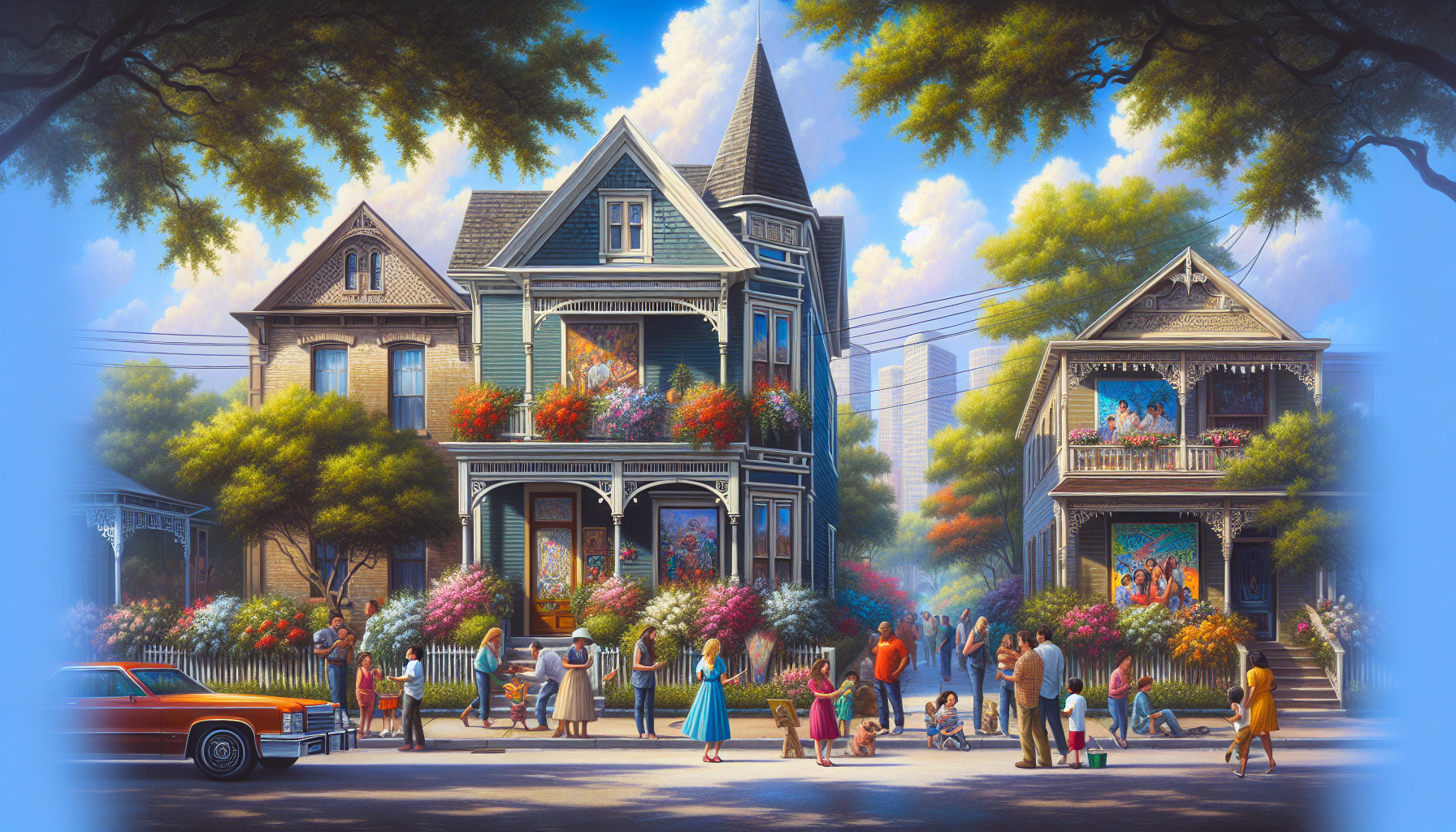
The Heights is one of Houston’s oldest neighborhoods, known for its charming Victorian architecture and tree-lined streets. Established in the late 19th century, the Heights was one of the first planned communities in Texas, offering a suburban retreat from the bustling city. Its historical significance is evident in the well-preserved homes and buildings that tell the story of Houston’s early growth.
Today, the Heights is a vibrant community that celebrates its past while embracing the future. It’s a hub for local artists, entrepreneurs, and families who cherish the neighborhood’s unique character. The Heights Boulevard, with its eclectic mix of boutiques, cafes, and art galleries, serves as a cultural artery, reflecting the creative spirit and community pride that defines the neighborhood.
Montrose: The Heart of Houston’s Art Scene
Montrose is synonymous with Houston’s artistic and cultural identity. Established in the early 20th century, Montrose has evolved from a quiet residential area into a dynamic, eclectic neighborhood known for its bohemian flair and artistic expression. It’s home to some of Houston’s most iconic cultural institutions, including the Menil Collection and the Rothko Chapel.
The influence of Montrose extends beyond its art scene. It’s a place where diversity is celebrated, and inclusivity is a way of life. With its vibrant LGBTQ+ community, Montrose has long been a beacon of acceptance and progressive values. This cultural richness fosters a strong sense of community pride, making Montrose an integral part of Houston’s identity.
Midtown: A Hub of Urban Living
Midtown Houston is a testament to the city’s growth and evolution. Once a neglected area, Midtown has transformed into a bustling urban neighborhood that attracts young professionals and creatives. Its strategic location between Downtown and the Texas Medical Center makes it a desirable place for those seeking a vibrant urban lifestyle.
Midtown’s cultural role is evident in its diverse dining scene, lively nightlife, and community events. The neighborhood hosts numerous festivals and markets that celebrate Houston’s multicultural heritage, reinforcing a sense of pride and unity among its residents. Midtown’s rapid development and revitalization reflect Houston’s dynamic spirit and its ability to adapt and thrive.
Third Ward: A Legacy of Resilience
Third Ward is a neighborhood rich in history and cultural significance. Known as the “Tre” by locals, it has been a central hub for African American culture and activism in Houston. The neighborhood’s history is intertwined with the civil rights movement, and it remains a symbol of resilience and empowerment.
The cultural identity of Third Ward is shaped by its strong community ties and commitment to preserving its heritage. Institutions like Texas Southern University and Project Row Houses play a pivotal role in promoting education and cultural awareness. The pride of Third Ward is evident in its residents’ dedication to maintaining the neighborhood’s legacy while advocating for social change and progress.
Chinatown: A Melting Pot of Cultures
Houston’s Chinatown is a vibrant tapestry of Asian cultures, offering a glimpse into the city’s rich diversity. Located in the southwest part of the city, Chinatown is a bustling neighborhood known for its culinary delights, unique shops, and cultural festivals. It serves as a cultural bridge, connecting Houston to the broader Asian community.
The neighborhood’s cultural significance is celebrated through its annual events, such as the Lunar New Year Festival, which attracts visitors from across the city. Chinatown’s growth and success are a testament to the entrepreneurial spirit and cultural pride of its residents. It stands as a symbol of Houston’s multicultural identity and its embrace of different cultures.
East End: A Blend of Tradition and Innovation
The East End, also known as “EaDo,” is a neighborhood that embodies Houston’s industrial past and its innovative future. Historically a hub for manufacturing and industry, the East End has undergone a renaissance, becoming a center for creative industries and cultural activities.
The neighborhood’s transformation is driven by a strong sense of community and a commitment to revitalization. The East End’s cultural landscape is shaped by its diverse population and a shared vision for progress. From its historic landmarks to its modern developments, the East End represents the fusion of tradition and innovation, fostering a deep sense of pride among its residents.
Conclusion: Neighborhood Pride and Houston’s Cultural Fabric
Houston neighborhoods are more than just geographic locations; they are vibrant communities that contribute to the city’s cultural fabric. Each neighborhood, with its unique history and identity, plays a crucial role in defining what it means to be a Houstonian. The pride felt by residents is not just about where they live but about being part of a larger story that connects them to Houston’s past, present, and future.
As Houston continues to grow and evolve, its neighborhoods will remain at the heart of its cultural identity. They are the places where stories are told, traditions are celebrated, and futures are forged. The pride in these neighborhoods is a testament to the enduring spirit of Houston and its people, shaping a city that is as diverse as it is united.
Celebrate Houston Neighborhood Pride
Houston neighborhoods help shape the city’s identity. Many people express that pride through locally inspired games, apparel, and gifts that represent where they come from.