
How Houston’s Neighborhoods Influence Citywide Culture
Houston, Texas, is a sprawling metropolis known for its diversity, energy, and cultural dynamism. Much of what makes Houston unique stems from its neighborhoods, each contributing a vibrant thread to the city’s rich tapestry. These neighborhoods are not just geographic locations but are living, breathing communities that influence Houston’s cultural identity and ethos.
Historic Heights: Where the Past Meets the Present
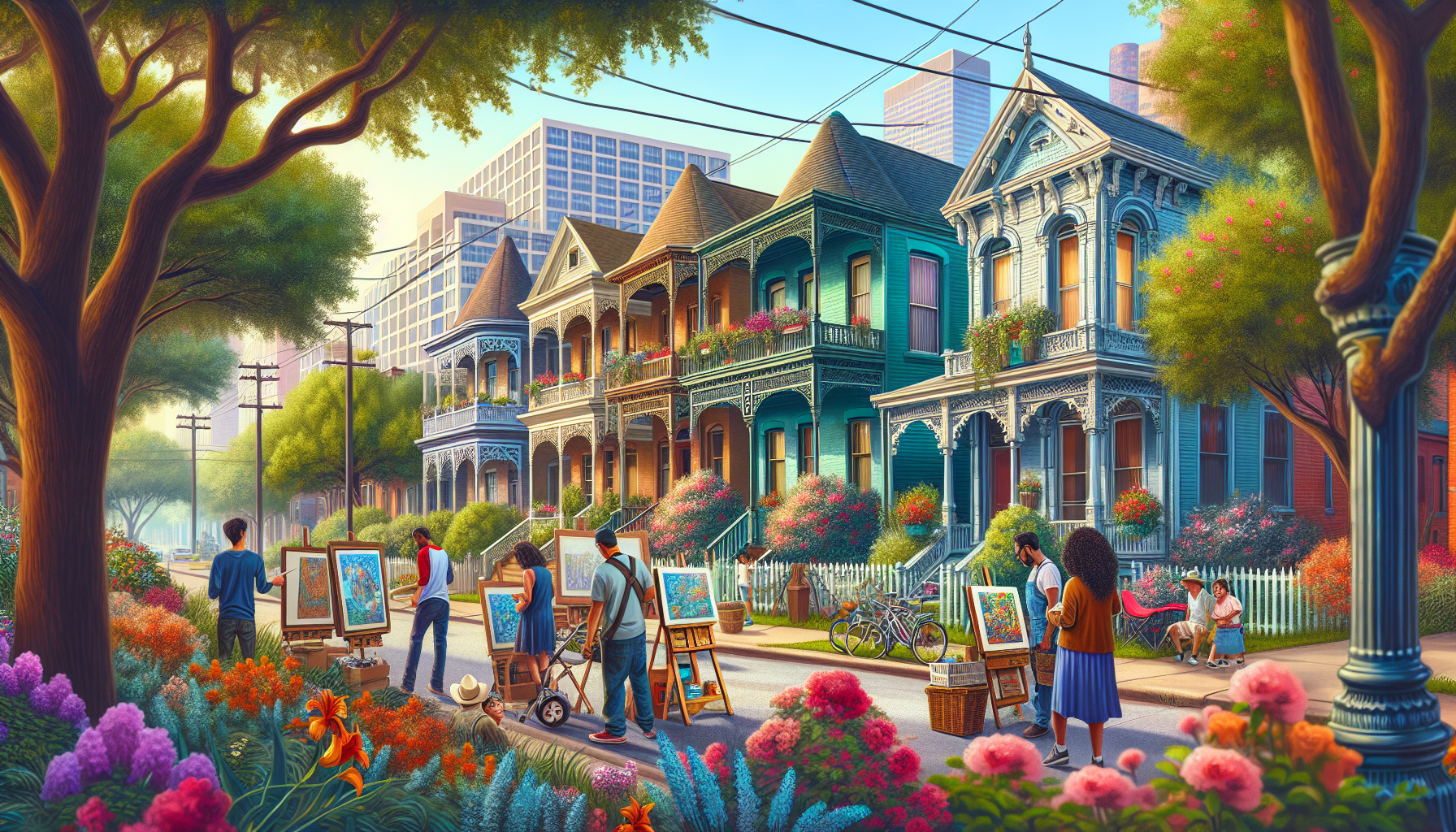
The Heights is one of Houston’s oldest neighborhoods, established in the late 19th century. Originally a streetcar suburb, it has evolved while retaining its historic charm. The tree-lined streets and Victorian-style homes evoke a sense of nostalgia, yet the area is anything but stuck in the past. The Heights has become a cultural hub, with art galleries, eclectic boutiques, and a thriving food scene. This neighborhood showcases the blend of old and new, embodying Houston’s adaptability and respect for history.
The Heights’ Cultural Contributions
The Heights is known for its community events, such as the White Linen Night, which celebrates local artists and businesses. These gatherings foster a sense of community pride and highlight the neighborhood’s role in cultivating Houston’s artistic scene. The Heights’ ability to maintain its historic roots while embracing modernity makes it a cornerstone of Houston’s cultural landscape.
Montrose: The Heart of Houston’s Counterculture
Montrose is synonymous with diversity and inclusivity. Since its development in the early 20th century, Montrose has been a haven for artists, musicians, and the LGBTQ+ community. Known for its vibrant nightlife and artistic flair, Montrose stands as a testament to Houston’s commitment to cultural expression and acceptance.
Montrose’s Influence on Inclusivity
This neighborhood has long been at the forefront of social change, hosting events that celebrate diversity and advocate for equality. Montrose’s eclectic mix of people and ideas has influenced Houston’s broader cultural policies and attitudes, reinforcing the city’s reputation as a welcoming and progressive place.
Third Ward: A Legacy of Resilience and Culture
The Third Ward, often referred to as the “Soul of Houston,” holds a significant place in the city’s African American history. This neighborhood has been a cradle of cultural and political movements, home to notable figures and institutions that have shaped regional and national discourse.
Preserving Cultural Heritage in Third Ward
The Third Ward is rich in cultural landmarks, including the University of Houston and Emancipation Park. These sites are not just historical; they are active centers of community life and cultural education. The neighborhood’s ongoing efforts to preserve its cultural heritage amidst urban development reflect its resilience and commitment to cultural preservation.
Chinatown: A Melting Pot of Cultures
Houston’s Chinatown is a vibrant neighborhood that extends beyond traditional Chinese culture, encompassing a diverse array of Asian influences. Established in the 1980s, Chinatown is a bustling area that highlights Houston’s role as a global city.
Chinatown’s Role in Cultural Exchange
The neighborhood is a hub for commerce, cuisine, and cultural celebrations, such as the Lunar New Year festival. Chinatown exemplifies how immigrant communities contribute to the cultural richness of Houston, fostering an environment of cultural exchange and understanding.
East End: A Hub of Innovation and Tradition
The East End, known historically as the birthplace of Houston’s industry, is experiencing a renaissance. This neighborhood is a fusion of industrial roots and artistic innovation, with a growing number of studios, galleries, and creative spaces.
East End’s Cultural Renaissance
The East End Cultural District is a testament to the neighborhood’s creative spirit, hosting events that celebrate its industrial history and burgeoning arts scene. This neighborhood illustrates how innovation and tradition coexist, contributing to Houston’s dynamic cultural identity.
River Oaks: Elegance and Influence
River Oaks is synonymous with affluence and architectural beauty. Established in the 1920s, it is one of Houston’s most prestigious neighborhoods, known for its stately homes and manicured gardens.
Cultural Significance of River Oaks
Beyond its opulence, River Oaks is influential in shaping cultural norms and philanthropic endeavors in Houston. The neighborhood’s support for the arts and education underscores its role in promoting cultural and social initiatives across the city.
Connecting Neighborhood Pride to Houston’s Cultural Fabric
Houston’s neighborhoods are more than mere locations; they are the heartbeats of the city, each contributing distinct rhythms to the cultural symphony that is Houston. From the historic streets of the Heights to the vibrant avenues of Montrose and the resilient spirit of the Third Ward, these neighborhoods encapsulate the diversity, innovation, and pride that define Houston.
The cultural identity of Houston is a mosaic of its neighborhoods, each with its unique history and contributions. By celebrating and preserving these communities, Houstonians honor their city’s past while looking forward to a future of continued cultural richness and diversity.
Celebrate Houston Neighborhood Pride
Houston neighborhoods help shape the city’s identity. Many people express that pride through locally inspired games, apparel, and gifts that represent where they come from.