
The Cultural Identity of Houston’s Neighborhood Communities
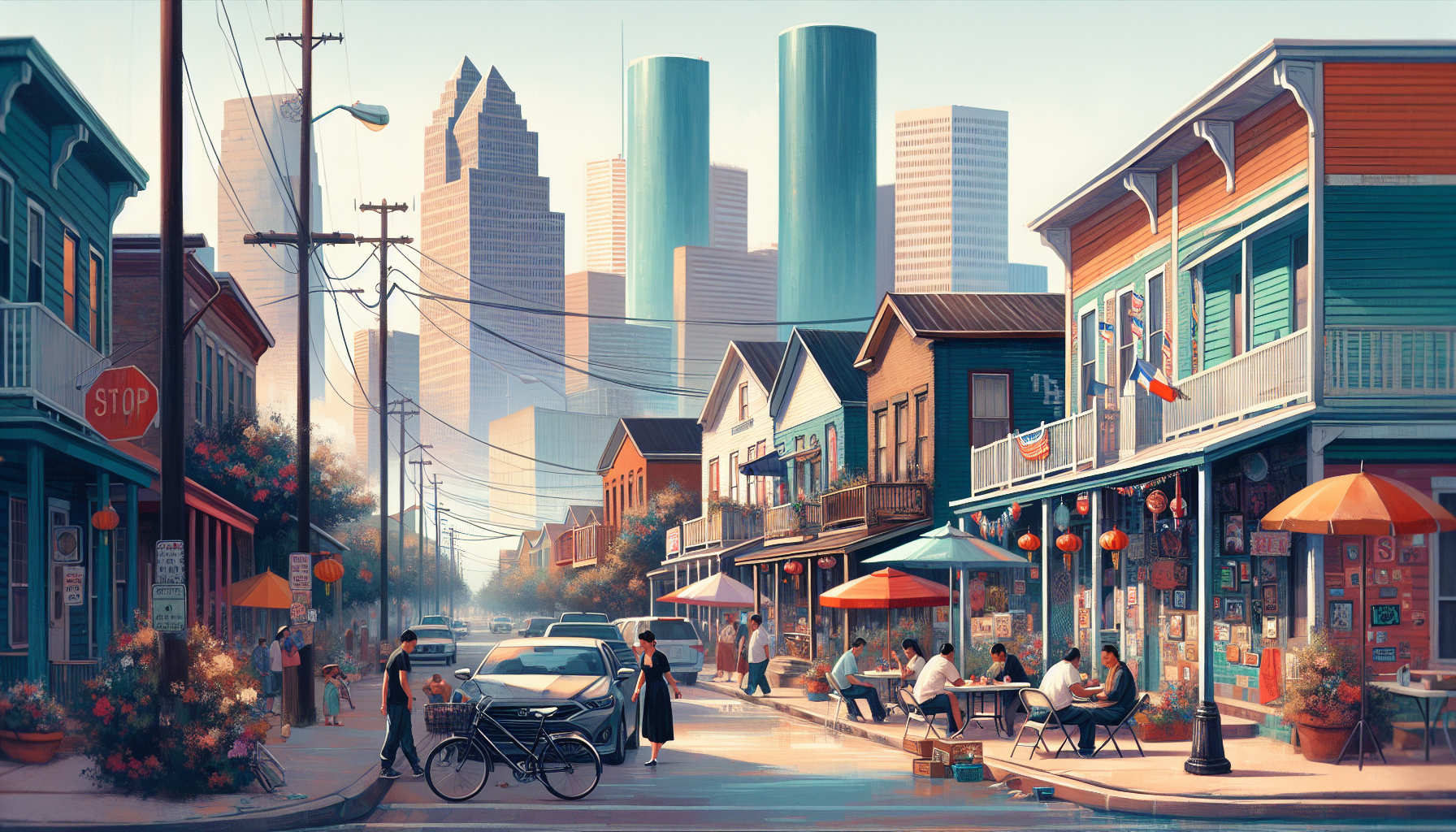
Houston, Texas, is a sprawling metropolis known for its diversity, innovation, and cultural richness. A key component of this vibrant tapestry is the unique identity of its neighborhoods. From the historic avenues of The Heights to the dynamic streets of Montrose, each community contributes to the overall character of the city, offering a blend of history, culture, and lifestyle that is distinctly Houstonian.
The Heights: A Historical Gem
The Heights, one of Houston’s oldest planned communities, is a neighborhood that has gracefully evolved while maintaining its historic charm. Founded in the late 19th century, The Heights was initially established as a streetcar suburb. Today, it stands as a testament to Houston’s growth and resilience. The neighborhood is characterized by its Victorian architecture, tree-lined streets, and a strong sense of community.
Residents of The Heights take pride in their neighborhood’s history and actively participate in preserving its cultural heritage. Community events such as the annual Heights Festival celebrate the area’s unique identity and foster a sense of belonging among its diverse population.
Montrose: A Cultural Melting Pot
Montrose is often referred to as Houston’s cultural heart. Known for its eclectic mix of art, music, and cuisine, Montrose has long been a haven for artists, musicians, and free thinkers. The neighborhood’s vibrant arts scene is anchored by institutions like the Menil Collection and the Museum of Fine Arts, which draw visitors from across the globe.
In Montrose, diversity is not just embraced but celebrated. The neighborhood’s rich tapestry of cultures is reflected in its array of restaurants, boutiques, and community events. Montrose’s commitment to inclusivity and cultural expression makes it a vital part of Houston’s identity.
Third Ward: A Pillar of African American History
The Third Ward holds a special place in Houston’s cultural landscape as a historical center of African American life. Known for its deep-rooted history and vibrant community spirit, the neighborhood has been a focal point for civil rights activism and cultural expression.
Home to Texas Southern University, the Third Ward is a hub of education and empowerment. The neighborhood’s rich history is preserved through landmarks like Emancipation Park, which serves as a symbol of freedom and community pride. Efforts to revitalize the area while preserving its cultural heritage are ongoing, ensuring that the Third Ward remains a cornerstone of Houston’s identity.
Chinatown: A Fusion of Tradition and Modernity
Houston’s Chinatown offers a glimpse into the city’s Asian culture, providing a vibrant fusion of tradition and modernity. Established in the 1980s, this neighborhood has grown into a bustling center of commerce, cuisine, and cultural exchange.
Chinatown’s streets are lined with authentic restaurants, shops, and cultural centers, making it a popular destination for both locals and visitors. The neighborhood’s annual Lunar New Year celebrations draw large crowds, showcasing the rich traditions and community spirit that define this dynamic area.
East End: A Hub of Latino Culture
The East End of Houston is a vibrant community known for its strong Latino cultural influences. With roots tracing back to the early 20th century, this neighborhood has evolved into a thriving hub of art, music, and culinary delights.
The East End’s cultural identity is reflected in its colorful murals, lively festivals, and community markets. The neighborhood’s commitment to preserving its cultural heritage while embracing progress makes it an essential part of Houston’s diverse landscape.
River Oaks: A Blend of Elegance and Community
River Oaks is synonymous with elegance and affluence, but it is also a neighborhood that values community and cultural engagement. Established in the 1920s, River Oaks has become one of Houston’s most prestigious areas, known for its stunning architecture and lush landscapes.
Beyond its opulent facade, River Oaks is home to a tight-knit community that values cultural enrichment and civic responsibility. The neighborhood hosts numerous cultural events and philanthropic activities, reinforcing its role as a cultural and social leader in Houston.
The Cultural Significance of Houston’s Neighborhoods
Each of Houston’s neighborhoods brings a unique flavor to the city’s cultural stew. They are more than just places to live; they are vibrant communities that embody the spirit of Houston. From historical preservation to cultural celebrations, these neighborhoods play a vital role in shaping the city’s identity.
The pride that residents feel for their communities is palpable and is a driving force behind Houston’s ongoing evolution. This cultural pride fosters a sense of belonging and unity, making Houston a city where diversity is not just acknowledged but cherished.
Conclusion: Neighborhood Pride as a Reflection of Houston’s Identity
The cultural identity of Houston’s neighborhoods is a reflection of the city’s broader character—diverse, dynamic, and deeply rooted in community values. Each neighborhood, with its unique history and cultural contributions, adds to the rich tapestry that defines Houston.
The pride that Houstonians feel for their neighborhoods is a testament to the strength and resilience of these communities. It is this pride that drives the city forward, ensuring that Houston remains a vibrant and inclusive place for generations to come.
Celebrate Houston Neighborhood Pride
Houston neighborhoods help shape the city’s identity. Many people express that pride through locally inspired games, apparel, and gifts that represent where they come from.