

How Houston’s East End Influenced City Culture
Houston, the sprawling metropolis known for its diverse cultures and vibrant neighborhoods, finds much of its unique identity rooted in its individual communities. Among these, the East End stands out as a historical and cultural cornerstone, playing a pivotal role in shaping the city’s dynamic cultural landscape. Nestled just southeast of Downtown Houston, the East End is a testament to the city’s rich heritage and evolving identity.
The Historical Tapestry of Houston’s East End
The East End of Houston, often referred to as the “birthplace of Houston,” is steeped in history. Established in the early 19th century, this area was originally a hub for commerce and industry. The arrival of the railroads in the late 1800s transformed it into a bustling center of economic activity, attracting a diverse population of immigrants from Mexico, Central America, and Europe. This influx of cultures laid the groundwork for the East End’s rich cultural tapestry.
A Melting Pot of Cultures and Traditions
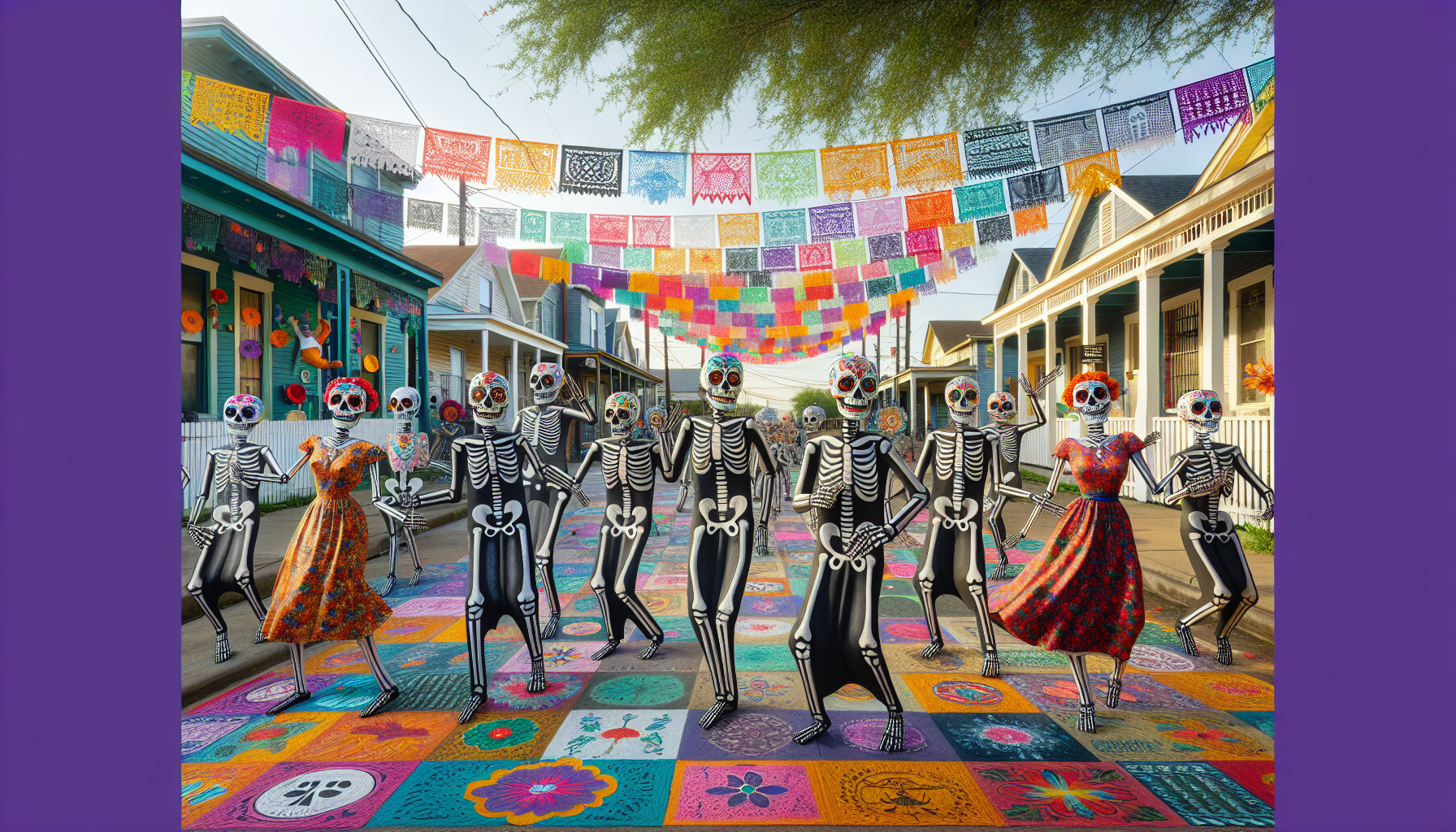
The East End is a vibrant mosaic of cultures, where Mexican-American heritage is particularly prominent. The neighborhood is home to a large Hispanic community, whose influence is evident in the local cuisine, festivals, and art. Celebrations like Día de los Muertos and the East End Street Fest highlight the community’s commitment to preserving and sharing its cultural traditions, drawing visitors from across the city and beyond.
Art and Expression: The Soul of the East End
Art is a vital part of the East End’s cultural identity. The neighborhood is adorned with colorful murals and public art installations that reflect its history and diversity. The East End Foundation and the Navigation Esplanade are key venues that support local artists and host cultural events. The area is also home to Talento Bilingüe de Houston, a theater that showcases bilingual performances and fosters cultural dialogue.
The Culinary Landscape: A Taste of the East End
Food is a crucial aspect of the East End’s cultural influence. The neighborhood offers a culinary journey that reflects its multicultural roots. From authentic Mexican taquerias to contemporary fusion restaurants, the East End serves up a diverse array of flavors that capture the essence of Houston’s food scene. Local eateries not only nourish the community but also serve as gathering places where stories and traditions are shared.
Community and Identity: The Heart of the East End
The sense of community in the East End is palpable. Residents take pride in their neighborhood’s history and actively engage in preserving its cultural heritage. Community organizations, local businesses, and residents work together to maintain the area’s unique character, fostering a strong sense of belonging and pride. This collective spirit is evident in initiatives like community clean-ups, cultural festivals, and neighborhood revitalization projects.
The East End’s Role in Shaping Houston’s Cultural Landscape
The influence of the East End extends beyond its borders, contributing significantly to Houston’s overall cultural identity. The neighborhood’s commitment to preserving its cultural heritage and fostering inclusivity resonates throughout the city. The East End serves as a model for how diverse communities can coexist and thrive, enriching the broader cultural landscape of Houston.
Conclusion: Pride in the East End and Houston’s Cultural Fabric
The East End is more than just a neighborhood; it is a living, breathing embodiment of Houston’s multicultural spirit. Its history, culture, and community pride are integral to the city’s identity. As Houston continues to grow and evolve, the East End remains a vital part of its cultural fabric, reminding us of the importance of community, diversity, and heritage in shaping the city’s future.
Celebrate Houston Neighborhood Pride
Houston neighborhoods help shape the city’s identity. Many people express that pride through locally inspired games, apparel, and gifts that represent where they come from.