
Why Houston Neighborhoods Feel Like Home
Houston, the fourth-largest city in the United States, is a vibrant tapestry of diverse neighborhoods, each with its own unique identity and story. From the historic streets of the Heights to the bustling avenues of Montrose, Houston’s neighborhoods are more than just places to live; they are the heartbeat of the city, offering a sense of belonging and cultural richness that makes them feel like home. Understanding the cultural identity, history, and importance of these neighborhoods is key to appreciating why they hold such a special place in the hearts of Houstonians.
The Heights: A Historical Gem
One of Houston’s most cherished neighborhoods, the Heights, stands as a testament to the city’s rich history and architectural beauty. Founded in 1891, the Heights was one of Houston’s earliest planned communities, designed to offer residents a respite from the hustle and bustle of downtown. Today, it retains its historical charm with Victorian-era homes and tree-lined boulevards. The community’s pride is evident in its well-preserved architecture and the passionate advocacy for maintaining its unique character. The Heights is not just a neighborhood; it is a living museum that offers a glimpse into Houston’s past while embracing a vibrant present.
Montrose: A Cultural Melting Pot
Montrose has long been recognized as Houston’s cultural epicenter. Known for its eclectic mix of art galleries, vintage shops, and diverse culinary offerings, Montrose is a neighborhood that celebrates diversity and creativity. Established in the early 20th century, Montrose has evolved into a haven for artists, musicians, and free spirits. The neighborhood’s cultural significance is amplified by its role as a hub for LGBTQ+ activism and community events. Montrose embodies the spirit of inclusivity and innovation, making it a vital part of Houston’s cultural landscape.
Third Ward: A Pillar of African American Culture
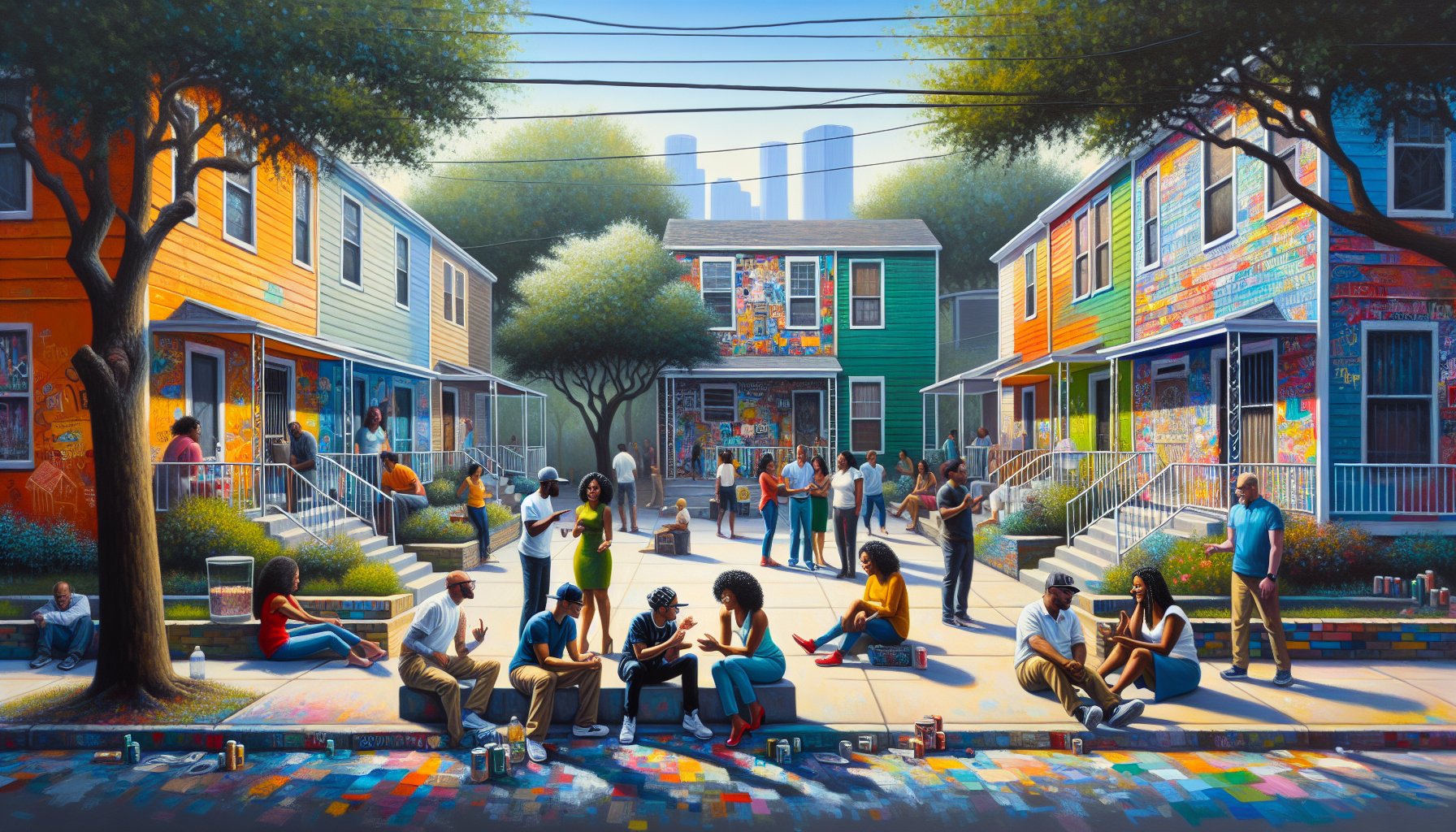
The Third Ward is a neighborhood steeped in African American history and culture. Known as the “Soul of Houston,” it has been a center for African American education, business, and social life since the early 20th century. Home to Texas Southern University, Third Ward has nurtured generations of leaders and artists. The neighborhood’s cultural pride is reflected in its vibrant murals and community festivals that celebrate African American heritage. Third Ward’s legacy is one of resilience and empowerment, making it a cornerstone of Houston’s cultural identity.
Chinatown: A Taste of Asia
Houston’s Chinatown offers a dynamic blend of Asian cultures, primarily Chinese, Vietnamese, and Korean, creating a neighborhood that is a feast for the senses. Established in the late 1970s, Chinatown has grown into a bustling commercial and cultural center. From authentic eateries to traditional festivals, Chinatown provides a glimpse into the rich tapestry of Asian traditions. The neighborhood’s importance lies in its role as a cultural bridge, fostering understanding and appreciation among diverse communities. Chinatown is a vibrant reminder of Houston’s multicultural fabric.
East End: A Community with Deep Roots
The East End, also known as “EaDo,” is one of Houston’s oldest neighborhoods, with a history intertwined with the city’s industrial growth. Historically a hub for immigrants, particularly from Mexico, the East End has evolved into a lively community that honors its roots while embracing modernity. Known for its colorful murals and thriving arts scene, the East End is a testament to the power of cultural preservation and community engagement. The neighborhood’s sense of pride is palpable, as residents actively participate in revitalization efforts to ensure its continued vitality.
River Oaks: Elegance and Tradition
River Oaks is synonymous with elegance and tradition, a neighborhood that has long been associated with Houston’s elite. Established in the 1920s, River Oaks is known for its grand estates and meticulously manicured landscapes. While it may seem worlds apart from Houston’s other neighborhoods, River Oaks plays a crucial role in the city’s cultural narrative by showcasing the architectural and social history of Houston’s affluent class. The neighborhood’s commitment to preserving its historical integrity is a testament to the pride its residents take in their community.
Why Houston Neighborhoods Matter
Each neighborhood in Houston contributes to the city’s rich cultural mosaic. These neighborhoods are more than just geographic locations; they are communities with deep roots and vibrant identities. They provide a sense of belonging and pride for their residents, fostering connections that transcend generations. Houston neighborhoods matter because they encapsulate the spirit of the city—diverse, resilient, and ever-evolving. They are the threads that weave together the story of Houston, creating a city that is as dynamic as it is welcoming.
Conclusion: Neighborhood Pride and Houston’s Cultural Identity
Houston’s neighborhoods are integral to the city’s cultural identity, each contributing its own unique flavor to the larger tapestry. The pride that residents take in their communities is a reflection of the city’s broader ethos—a commitment to diversity, history, and innovation. As Houston continues to grow and change, its neighborhoods remain steadfast anchors, preserving the traditions and values that make the city feel like home. Embracing neighborhood pride is not just about honoring the past; it’s about shaping the future of Houston as a city where everyone feels they belong.
Celebrate Houston Neighborhood Pride
Houston neighborhoods help shape the city’s identity. Many people express that pride through locally inspired games, apparel, and gifts that represent where they come from.