
How Houston Slang Reflects Real Experiences
Houston, Texas, is a vibrant city known for its diversity, rich culture, and dynamic language. The local slang is not just a means of communication but a reflection of the city’s unique identity and experiences. Understanding Houston slang offers insight into the everyday lives, struggles, and triumphs of its residents.
The Cultural Importance of Houston Slang
Language is a powerful tool that shapes and reflects culture. In Houston, slang serves as a marker of identity and belonging. It bridges the gap between various communities and fosters a sense of unity. By exploring the meanings, origins, and cultural context of Houston slang, we can gain a deeper appreciation for the city’s rich tapestry of experiences.
“Trill”: More Than Just a Word
One of the most iconic words in Houston slang is “trill,” a blend of “true” and “real.” Originating from the city’s hip-hop scene, especially popularized by artists like UGK, “trill” embodies authenticity and loyalty. When someone is described as “trill,” it means they are genuine and trustworthy. For example, “He’s always been trill, never switching up on his friends.”
“Slab”: A Symbol of Houston’s Car Culture
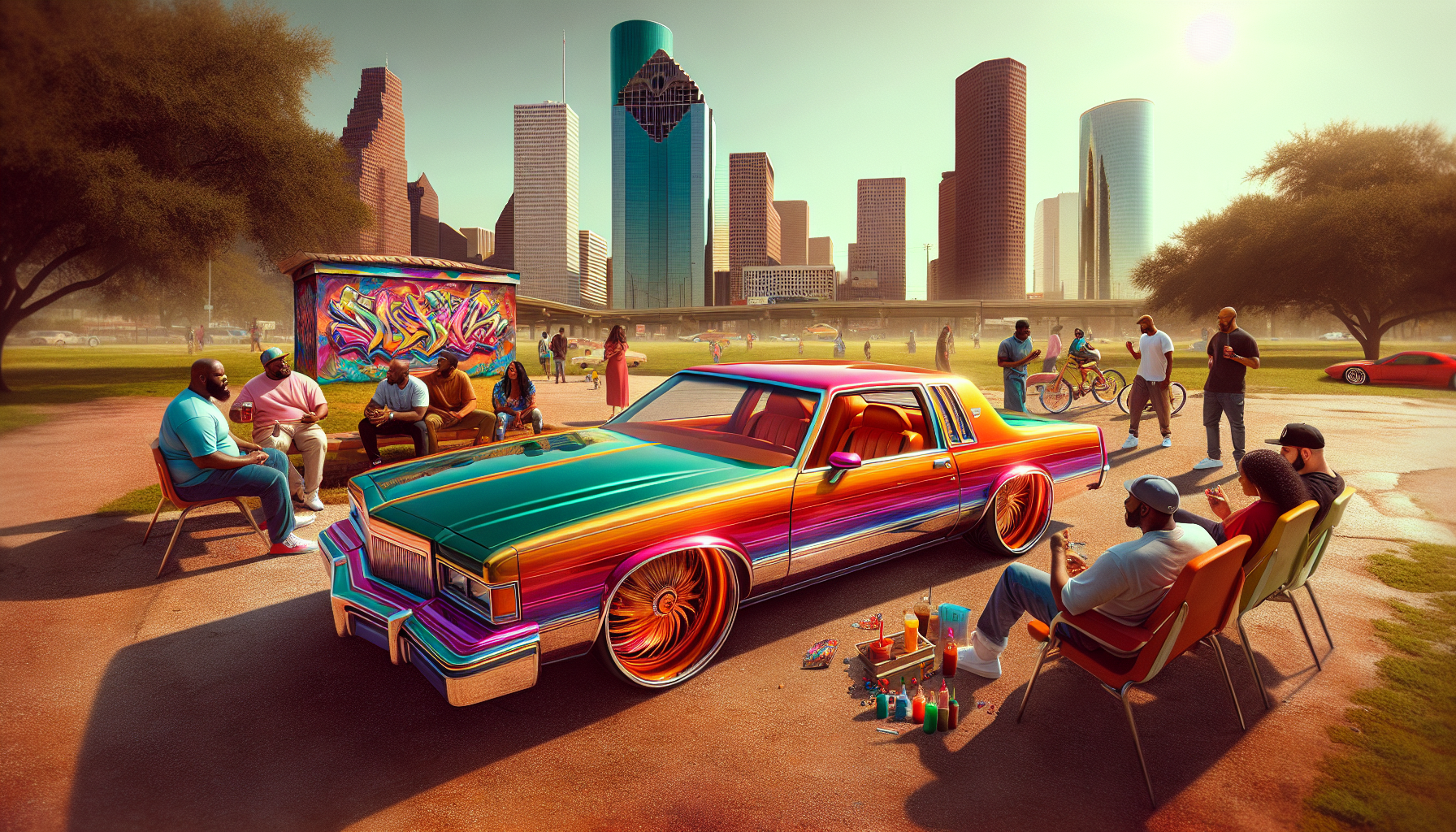
In Houston, the term “slab” refers to a customized car, often with candy paint, swangas (rims), and booming sound systems. The slab culture is a significant part of Houston’s identity, representing both creativity and status. A sentence example would be, “He rolled up in his slab, music blasting, turning heads everywhere.”
“Screw”: Slowing Down the Beat
The influence of DJ Screw on Houston’s music scene introduced the world to “screwed and chopped” music. To “screw” a song means to slow it down, creating a distinct, laid-back sound synonymous with Houston’s hip-hop culture. An example sentence could be, “They played a screw version of the track, and the vibe was instantly more chill.”
“H-Town”: A Badge of Honor
Referring to Houston as “H-Town” is a common term of endearment used by locals. It symbolizes pride and a deep connection to the city. Whether in music, sports, or everyday conversation, “H-Town” is a reminder of one’s roots. For instance, “No matter where I go, H-Town will always be home.”
“Candy Paint”: The Art of Expression
“Candy paint” describes the glossy, vibrant finish used on cars, particularly slabs. It is more than just a color choice; it is a form of self-expression and individuality. In context, “His ride stood out with that candy paint shining under the sun.”
“What It Do”: A Friendly Greeting
“What it do” is a casual greeting similar to “What’s up?” or “How’s it going?” It reflects the friendly and laid-back nature of Houston’s social interactions. You might hear, “What it do, man? Long time no see!” as a warm welcome.
Slang as a Reflection of Houston’s Identity
Houston slang is a testament to the city’s multicultural landscape and dynamic history. It reflects the resilience, creativity, and camaraderie of its people. The language is ever-evolving, influenced by the diverse communities that call Houston home. By embracing and understanding local slang, one can connect more deeply with the city’s spirit.
Conclusion: Language and Culture Intertwined
In Houston, slang is more than just words; it is a living, breathing aspect of the culture. It captures the essence of the community, telling stories of past and present. By learning and appreciating Houston slang, we not only gain insight into the language but also into the rich cultural fabric that makes the city so unique.
Houston Language, Houston Culture
Houston slang reflects creativity and identity. That same energy often inspires games and products designed to celebrate local culture in a meaningful way.