
How Houston’s East End Preserves Cultural History
Amid the sprawling metropolis of Houston, the East End stands as a testament to the city’s diverse cultural tapestry. Known for its rich history and vibrant community, this neighborhood is a microcosm of Houston’s broader cultural identity, encapsulating the spirit of a city that thrives on diversity and resilience.
The Historical Roots of Houston’s East End
The East End of Houston, often referred to as the city’s birthplace, has a storied past that dates back to the early 1800s. Founded as one of the original wards of Houston, it became a central hub for commerce and trade, thanks to its proximity to the Buffalo Bayou. Over the years, the East End evolved, welcoming waves of immigrants who brought with them unique cultural influences that have shaped the neighborhood’s identity.
A Melting Pot of Cultures
As a key entry point for immigrants, the East End became a melting pot of cultures. In particular, the neighborhood saw a significant influx of Mexican immigrants in the 20th century, transforming it into the vibrant Latino community it is today. This cultural fusion is evident in the area’s architecture, cuisine, and community events, all of which reflect a blend of traditions and modern influences.
Preserving Cultural Heritage Through Architecture
The architecture of the East End serves as a living museum of its cultural history. Historic buildings, such as the Magnolia Ballroom and the Talento Bilingüe de Houston, stand as monuments to the neighborhood’s past. These structures not only provide a glimpse into the architectural styles of different eras but also serve as venues for cultural events that celebrate the community’s diverse heritage.
Culinary Delights of the East End
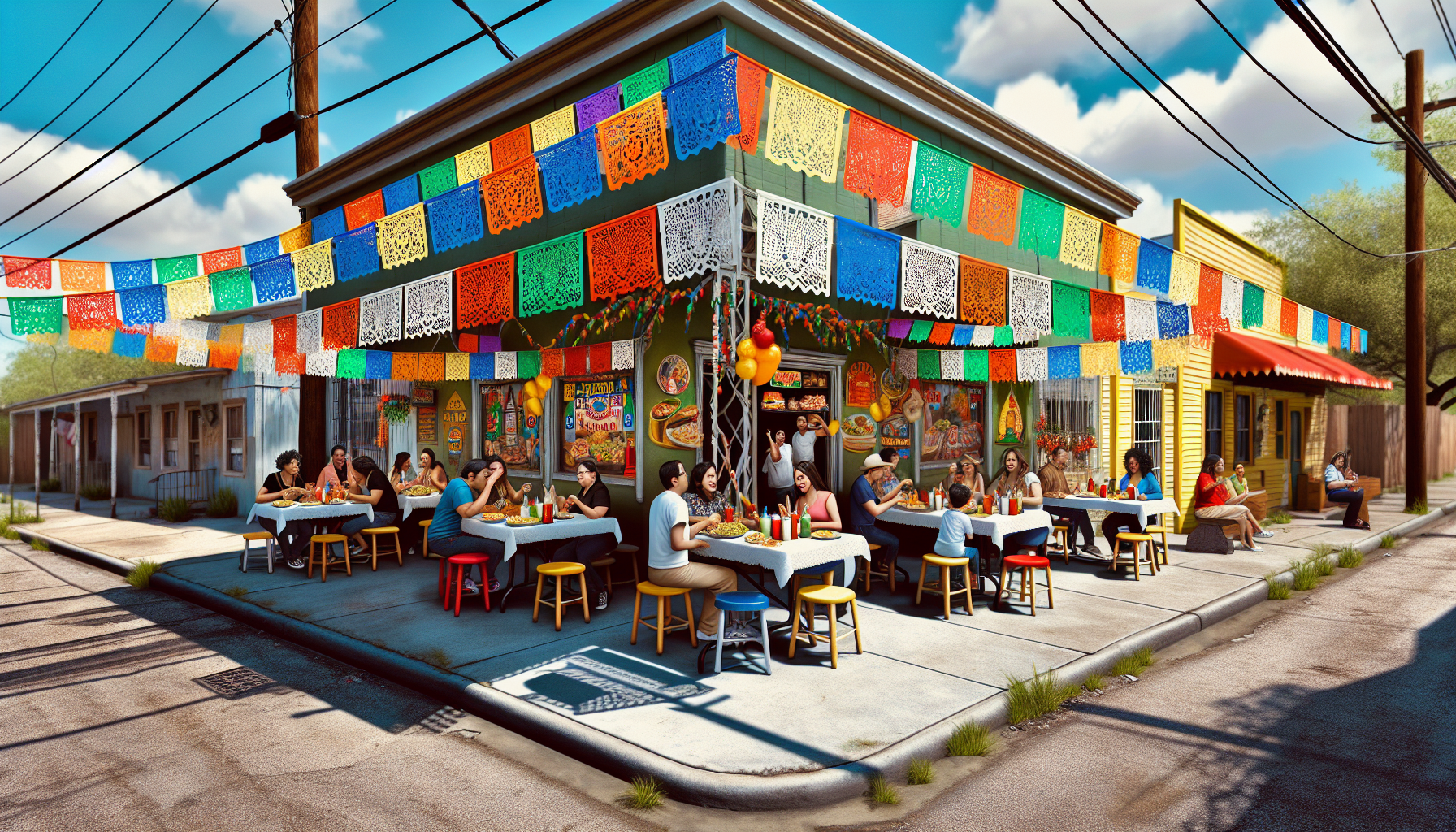
The East End’s culinary scene is a vibrant reflection of its cultural diversity. From traditional Mexican taquerias to modern fusion eateries, the neighborhood offers a gastronomic journey that highlights the flavors of its immigrant history. Food festivals and local markets further showcase the culinary traditions that have been passed down through generations, helping to preserve the neighborhood’s cultural identity.
The Role of Community Events in Cultural Preservation
Community events play a crucial role in preserving and promoting the cultural heritage of the East End. Annual festivals, such as the East End Street Fest and Día de los Muertos celebrations, bring together residents and visitors alike to honor the neighborhood’s rich traditions. These events not only foster a sense of community pride but also educate younger generations about the cultural legacy of their neighborhood.
Art and Culture in the East End
The East End is a thriving hub for artists and cultural organizations. Public art installations and galleries abound, showcasing works that reflect the neighborhood’s eclectic spirit. The East End Foundation and other local groups actively support cultural initiatives, ensuring that art and culture remain integral to the community’s identity.
Why the East End Matters Culturally
The East End’s cultural significance lies in its ability to preserve and celebrate the diverse histories of its residents. It stands as a model of how communities can embrace their past while looking to the future. The neighborhood’s commitment to cultural preservation is a testament to the resilience and pride of its residents, who continue to honor their heritage while contributing to Houston’s evolving narrative.
Connecting Neighborhood Pride to Houston’s Broader Culture
The pride that residents of the East End feel for their neighborhood is a reflection of the broader cultural identity of Houston. As one of the most diverse cities in the United States, Houston thrives on the contributions of its many neighborhoods, each adding its unique flavor to the city’s cultural mosaic. The East End’s dedication to preserving its cultural history not only enriches the lives of its residents but also enhances the cultural landscape of Houston as a whole.
Celebrate Houston Neighborhood Pride
Houston neighborhoods help shape the city’s identity. Many people express that pride through locally inspired games, apparel, and gifts that represent where they come from.