
Why Houston Slang Feels Authentic
Houston, Texas, is a vibrant city known for its rich cultural tapestry, diverse population, and dynamic arts scene. One of the most intriguing aspects of Houston’s culture is its unique slang. This slang is more than just words; it’s a linguistic expression of the city’s identity, history, and community. Understanding Houston slang offers a window into the soul of the city, revealing how its residents connect and communicate.
The Cultural Importance of Houston Slang
Language is a powerful tool for cultural expression, and in Houston, slang serves as a badge of identity. It reflects the city’s diversity and creativity, showcasing a blend of influences from African American, Latino, and Southern cultures. Houston slang is not just about communication; it’s about belonging to a community and celebrating its uniqueness.
The Origins of Houston Slang
Houston’s slang has evolved over decades, drawing from various cultural and linguistic sources. The city’s status as a major urban hub has attracted people from all over the world, each bringing their own linguistic contributions. Over time, these influences have blended, resulting in a distinct vernacular that is unmistakably Houstonian.
Understanding Popular Houston Slang Terms
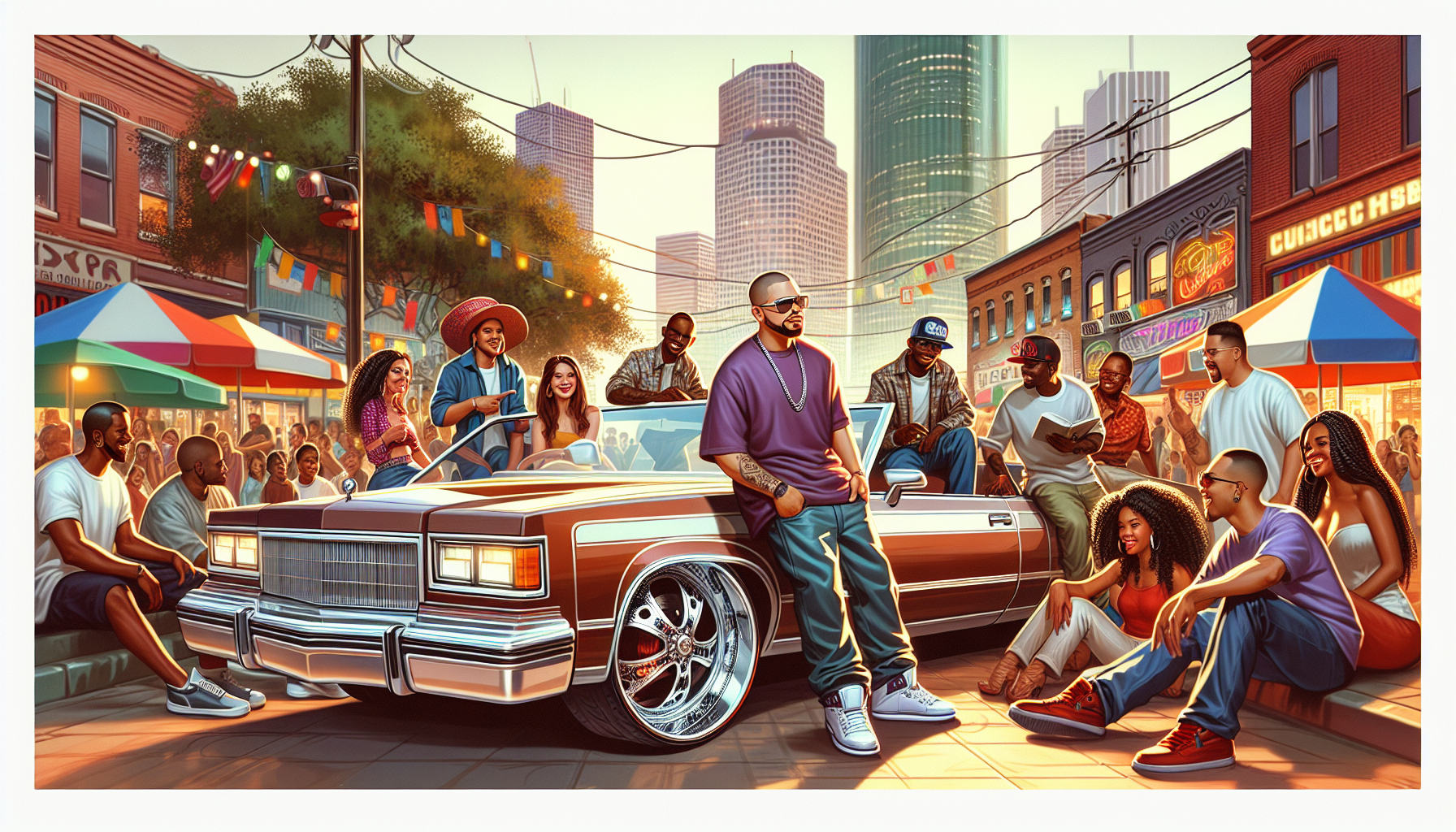
To truly appreciate Houston slang, it’s essential to understand some of its most popular terms. For example, the word “trill” is a combination of “true” and “real,” often used to describe someone genuine and authentic. In a sentence, you might hear, “He’s as trill as they come.” Another common term is “slab,” referring to a customized car with shiny rims and loud music, a staple of Houston’s hip-hop culture.
Slang as a Reflection of Houston’s Identity
Houston slang is deeply intertwined with the city’s identity. It reflects the pride Houstonians take in their city and their desire to maintain a sense of community. The language is often used to express solidarity and resilience, especially in times of adversity. For instance, phrases like “H-Town” evoke a sense of pride and loyalty to the city.
The Role of Music and Media in Spreading Houston Slang
Houston’s music scene, particularly hip-hop, has played a significant role in popularizing local slang. Artists like DJ Screw, UGK, and Beyoncé have incorporated Houston vernacular into their lyrics, bringing it to a global audience. As these artists gained recognition, so did the slang they used, further cementing it as an integral part of the city’s cultural identity.
Examples of Houston Slang in Everyday Use
Houston slang can be heard in a variety of contexts, from casual conversations to public events. For example, “What’s the deal?” is a common greeting among locals, equivalent to asking, “How are you?” Similarly, the phrase “chunking the deuce” refers to flashing the peace sign as a gesture of farewell or respect.
How Slang Strengthens Community Bonds
Slang serves as a unifying force within the Houston community. It creates a shared language that fosters connection and understanding among residents. This linguistic camaraderie is particularly evident in Houston’s neighborhoods, where local slang is a key component of everyday life and social interaction.
The Future of Houston Slang
As Houston continues to grow and evolve, so will its slang. New influences and cultural shifts will inevitably shape the language, ensuring that it remains a living, breathing testament to the city’s dynamic nature. While specific terms may come and go, the essence of Houston slang—its authenticity and creativity—will endure.
Conclusion: Language as a Cultural Connector
Houston slang is more than just a collection of words; it’s a cultural connector that embodies the spirit of the city. It reflects the creativity, resilience, and diversity of its people, offering a unique lens through which to view Houston’s rich cultural landscape. As the city continues to evolve, its slang will undoubtedly adapt, but its role as a symbol of community and identity will remain steadfast.
Houston Language, Houston Culture
Houston slang reflects creativity and identity. That same energy often inspires games and products designed to celebrate local culture in a meaningful way.