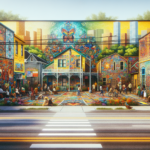

How Houston Culture Balances Tradition and Change
Houston, the fourth-largest city in the United States, is a vibrant tapestry of diverse cultures, deep-rooted traditions, and dynamic change. As a city that has historically embraced its role as a melting pot, Houston provides a unique lens through which to understand how communities can harmoniously balance the old with the new. This balance is not only what makes Houston culturally rich but also a beacon of progress and innovation in a rapidly changing world.
A Historical Tapestry of Diversity
Houston’s cultural landscape is deeply influenced by its history, which dates back to its founding in 1836. Initially a trading post, the city quickly became a hub for immigrants from Mexico, Germany, and other parts of Europe. Each wave of newcomers brought their customs, languages, and traditions, creating a mosaic of cultural influences that continue to shape the city today.
The city’s history of diversity is a testament to its openness and adaptability. This historical context is crucial for understanding how Houston has become a place where tradition and change coexist seamlessly. From the vibrant celebrations of Cinco de Mayo to the Oktoberfest events that honor German heritage, Houston’s cultural calendar is a reflection of its historical roots.
Modern Influence of the Arts
Houston’s art scene is a dynamic example of how tradition and innovation can coexist. The city is home to the Houston Museum District, which houses 19 museums, including the renowned Museum of Fine Arts and the Contemporary Arts Museum. These institutions showcase a range of works from classical to contemporary, highlighting the city’s commitment to preserving traditional art forms while also embracing modern expressions.
Public art installations and street art also contribute to the city’s cultural vibrancy. Murals and sculptures across Houston neighborhoods serve as a canvas for artists to comment on social issues, celebrate cultural heritage, and push creative boundaries. This blend of traditional and contemporary art forms enriches the cultural experience for both residents and visitors.
Culinary Fusion: A Taste of Tradition and Innovation
Houston’s culinary scene is a reflection of its cultural diversity and innovative spirit. The city is known for its Tex-Mex cuisine, a delicious blend of Mexican and American flavors, which has become a staple of Houston’s food culture. However, the city’s culinary offerings extend far beyond Tex-Mex.
From traditional Vietnamese pho to modern fusion dishes that combine flavors from different continents, Houston’s restaurants offer a culinary journey that respects tradition while embracing change. The annual Houston Restaurant Weeks event showcases this diversity, inviting diners to explore the city’s rich culinary landscape.
The Role of Festivals in Cultural Expression
Festivals play a crucial role in Houston’s cultural identity, serving as a platform for communities to celebrate their heritage and share it with others. The Houston Livestock Show and Rodeo, one of the largest events of its kind, is a nod to the city’s Western roots and agricultural history. It attracts millions of visitors each year, offering a mix of traditional rodeo events and modern entertainment.
Similarly, the Houston International Festival celebrates the city’s global connections, featuring music, dance, and cuisine from around the world. These festivals not only preserve cultural traditions but also encourage cross-cultural interactions, fostering a sense of unity and understanding among diverse communities.
Community Perspectives on Change
Houston’s cultural evolution is driven by its communities, whose perspectives on change are as diverse as the city itself. Many Houstonians see the city’s growth and development as an opportunity to strengthen cultural ties and create new traditions. Community leaders and organizations play a pivotal role in this process, advocating for inclusive policies and initiatives that honor the city’s multicultural heritage.
Local initiatives, such as neighborhood revitalization projects and cultural preservation programs, ensure that Houston’s growth does not come at the expense of its rich history. These efforts highlight the community’s commitment to balancing tradition with modernity, creating a city that is both rooted in its past and open to the future.
The Impact of Education and Innovation
Education and innovation are key drivers of cultural change in Houston. The city’s universities and research institutions attract students and scholars from around the world, contributing to its diverse intellectual landscape. These institutions not only preserve cultural knowledge but also foster innovation in various fields, from technology to the arts.
Programs that integrate cultural studies with cutting-edge research encourage students to explore the intersections of tradition and change. This educational approach prepares the next generation to navigate and contribute to Houston’s evolving cultural landscape.
Conclusion: A Shared Cultural Experience
Houston’s ability to balance tradition and change is a testament to its cultural resilience and adaptability. The city’s rich history, vibrant arts scene, diverse culinary offerings, and dynamic festivals all contribute to a shared cultural experience that is both unique and universally relatable. As Houston continues to grow and evolve, it serves as a model for other cities seeking to harmonize their cultural heritage with the demands of a changing world.
Ultimately, Houston’s culture is a celebration of diversity, a commitment to progress, and a reminder that tradition and change can coexist in harmony. This balance is what makes Houston not just a city, but a community where everyone can find a sense of belonging.
Bring Houston Culture to Life
Houston culture is built on pride, history, and shared experiences. Many people celebrate that spirit through culture-inspired games and gifts that bring friends and family together.