
How Houston’s Neighborhoods Reflect Its Diversity
Houston, Texas, is not just a sprawling metropolis; it’s a vibrant tapestry of diverse neighborhoods, each contributing its unique thread to the city’s overarching narrative. Known as one of the most diverse cities in the United States, Houston’s neighborhoods are a testament to its rich history and cultural evolution. From the bustling streets of Chinatown to the historic avenues of the Third Ward, these communities encapsulate the essence of Houston’s identity, fostering a sense of pride and belonging among residents.
Historic Heights: A Glimpse into Houston’s Past
The Heights, one of Houston’s oldest neighborhoods, offers a charming blend of historic charm and modern appeal. Established in the late 19th century, this area was initially developed as a streetcar suburb. Its tree-lined streets and Victorian-style homes reflect a bygone era, providing a window into Houston’s early growth. Today, The Heights is a thriving community known for its eclectic mix of boutiques, art galleries, and eateries. The preservation of its historic architecture alongside contemporary developments makes it a cultural cornerstone, illustrating how Houston embraces its past while looking to the future.
Third Ward: The Heart of African American Culture
The Third Ward stands as a pivotal cultural hub within Houston, deeply rooted in African American history and activism. Known for its rich heritage, the neighborhood played a significant role during the Civil Rights Movement. Institutions like Texas Southern University serve as beacons of education and empowerment. The Third Ward is also a nurturing ground for artists and musicians, producing talents like Beyoncé. The neighborhood’s cultural festivals, community gardens, and art installations reflect a robust community spirit and a collective pride in its heritage, making it an integral part of Houston’s diverse cultural landscape.
Chinatown: A Fusion of Cultures
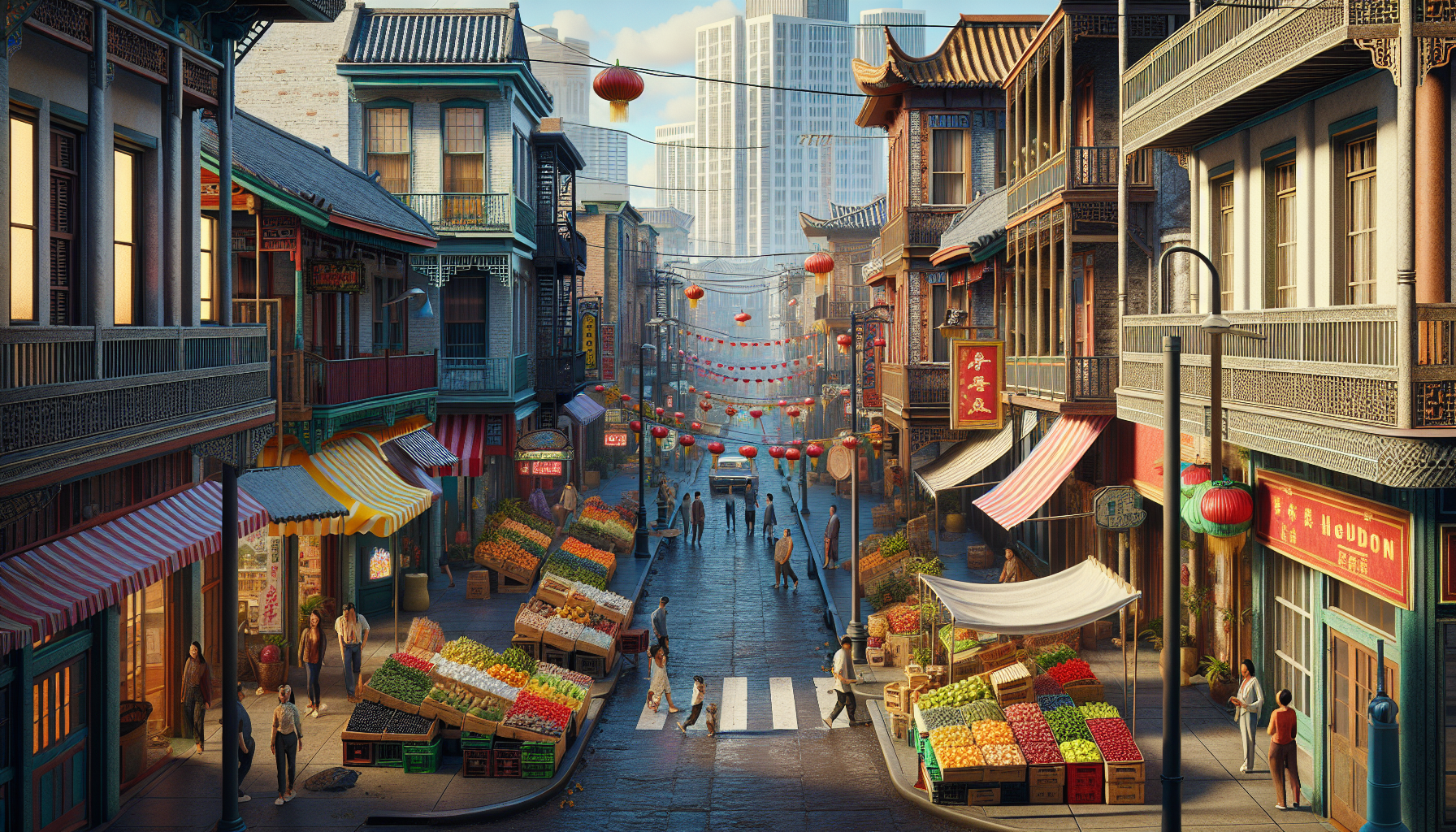
Houston’s Chinatown is a dynamic neighborhood that embodies the city’s multicultural ethos. Originally centered around the downtown area, Chinatown expanded to its current location on the city’s southwest side in the 1980s. This vibrant district is a melting pot of Asian cultures, featuring a mix of Chinese, Vietnamese, Korean, and other Asian influences. Visitors and residents alike are drawn to its bustling markets, authentic cuisine, and cultural festivals. Chinatown’s evolution from a small enclave to a sprawling community underscores its role as a cultural bridge, fostering understanding and appreciation among diverse populations.
Montrose: A Hub for Creativity and Expression
Montrose is widely recognized as Houston’s epicenter of creativity and alternative culture. Established in the early 20th century, Montrose has long been a haven for artists, musicians, and the LGBTQ+ community. Its eclectic mix of vintage shops, art galleries, and live music venues create a unique atmosphere that celebrates individuality and artistic expression. Montrose’s annual events, such as the Houston Pride Parade, highlight its inclusive spirit. As a neighborhood that champions diversity and acceptance, Montrose plays a crucial role in shaping Houston’s cultural identity.
East End: A Revival of Cultural Heritage
The East End, also known as EaDo, is a neighborhood steeped in cultural heritage and industrial history. Once a hub for manufacturing and shipping, the area is now experiencing a cultural renaissance. The East End is home to a vibrant Hispanic community, with its rich traditions and lively festivals adding to the neighborhood’s charm. The transformation of old warehouses into lofts and art spaces reflects a broader trend of revitalization, attracting a new generation of residents. This blend of historical significance and contemporary innovation makes the East End a vital part of Houston’s cultural mosaic.
River Oaks: Elegance Meets Tradition
River Oaks stands as a symbol of luxury and tradition in Houston. Developed in the 1920s, this affluent neighborhood is renowned for its stately mansions and meticulously landscaped gardens. While it may seem worlds apart from Houston’s more eclectic neighborhoods, River Oaks plays an important cultural role. It represents the city’s economic prowess and commitment to preserving architectural heritage. The neighborhood’s philanthropic endeavors and cultural institutions contribute significantly to Houston’s cultural and social fabric, highlighting the importance of community involvement across all socioeconomic levels.
Conclusion: Neighborhood Pride and Houston’s Cultural Identity
Houston’s neighborhoods are more than just geographical locations; they are living embodiments of the city’s cultural diversity and history. Each neighborhood, with its distinct identity and community pride, contributes to the rich tapestry that defines Houston. From the historic charm of The Heights to the creative spirit of Montrose, these areas reflect the city’s dynamic evolution and enduring commitment to inclusivity. Embracing this diversity is key to understanding Houston’s cultural identity, as it is the sum of its neighborhoods that truly shapes the city’s character and future.
Celebrate Houston Neighborhood Pride
Houston neighborhoods help shape the city’s identity. Many people express that pride through locally inspired games, apparel, and gifts that represent where they come from.