
How Houston’s Streets Shaped Its Culture
In the sprawling metropolis of Houston, the streets are more than just pathways connecting one place to another. They are the veins through which the city’s vibrant culture flows. From the bustling avenues of Downtown to the historic neighborhoods of the East End, Houston’s streets have long been the canvas upon which its diverse cultural tapestry is painted. Understanding how these streets have shaped Houston’s culture offers a unique lens through which to view the city’s rich and evolving identity.
The Historical Backbone of Houston’s Streets
Houston’s history is deeply intertwined with its streets. Founded in 1836, the city’s original grid was laid out by the Allen brothers, who envisioned a thriving commercial hub. The streets were designed to facilitate trade and transportation, setting the stage for Houston’s future as a major economic center. As the city grew, so did its roadways, expanding to accommodate the influx of people from different cultures and backgrounds. This growth laid the groundwork for the multicultural environment that defines Houston today.
The Melting Pot of Neighborhoods
Each neighborhood in Houston carries its own distinct cultural identity, many of which have been shaped by the streets that define them. In areas like Montrose, the streets are lined with eclectic art galleries, vintage shops, and diverse eateries, reflecting the neighborhood’s bohemian spirit. In contrast, the streets of Chinatown are bustling with markets and restaurants, offering a taste of Asian culture. These neighborhoods, defined by their unique street layouts and cultural landmarks, contribute to Houston’s reputation as one of the most diverse cities in the United States.
The Influence of Street Art and Murals
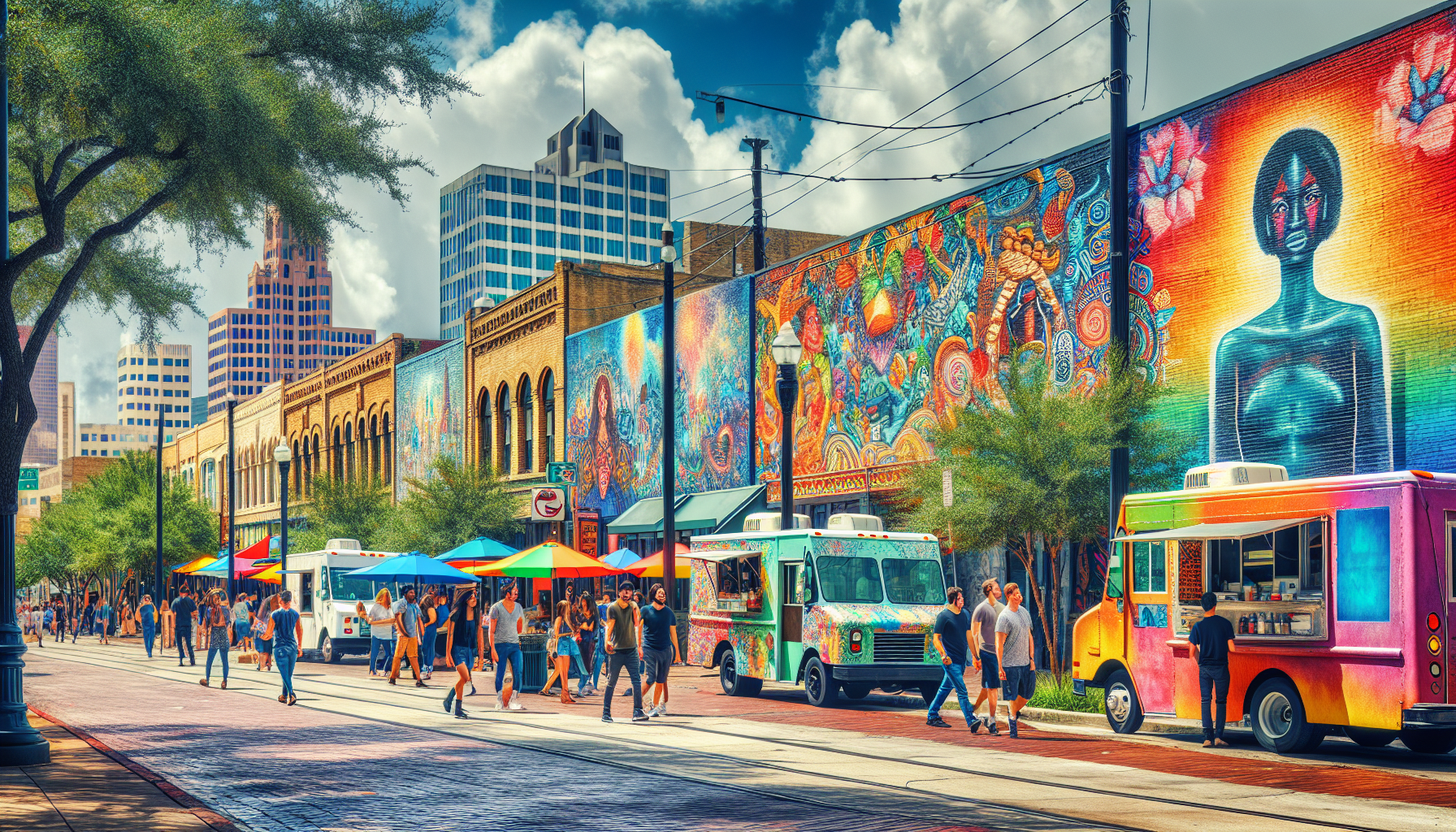
Street art in Houston is a powerful expression of the city’s cultural diversity and creativity. Murals and graffiti adorn walls throughout the city, transforming ordinary streets into open-air galleries. The murals often depict themes of social justice, community pride, and cultural heritage, serving as a visual narrative of Houston’s dynamic cultural landscape. The city’s vibrant street art scene not only beautifies the urban environment but also fosters a sense of community and dialogue among its residents.
The Role of Streets in Houston’s Music Scene
Houston’s streets have also played a pivotal role in shaping its music scene. The city is renowned for its contributions to various music genres, including hip-hop, blues, and country. Many local musicians draw inspiration from their surroundings, with streets like Washington Avenue and Westheimer Road serving as popular venues for live performances. These streets have become synonymous with Houston’s music culture, nurturing local talent and attracting music lovers from across the nation.
Food Trucks: A Culinary Journey on Wheels
Food trucks have become a staple of Houston’s culinary scene, with many of them setting up shop along the city’s busy streets. These mobile kitchens offer a diverse array of cuisines, from traditional Tex-Mex to exotic international fare, reflecting the city’s multicultural palate. The accessibility and variety provided by these food trucks have transformed Houston’s streets into a gastronomic playground, where residents and visitors alike can embark on a culinary journey without leaving the city.
The Streets as a Platform for Festivals and Parades
Houston’s streets are often the stage for a multitude of festivals and parades that celebrate the city’s cultural diversity. Events like the Houston Livestock Show and Rodeo Parade and the Houston Art Car Parade attract thousands of participants and spectators each year. These celebrations not only showcase the city’s cultural richness but also reinforce the sense of community and shared identity among Houstonians. The streets become a place where people from different backgrounds come together to celebrate their shared love for the city.
Transportation and Community Connectivity
The development of transportation infrastructure, such as the METRORail, has significantly impacted Houston’s streets and, by extension, its culture. Improved connectivity has made it easier for residents to explore different parts of the city, fostering greater interaction between diverse communities. This increased mobility has helped break down cultural barriers, encouraging a more integrated and harmonious urban environment.
Conclusion: Streets as the Heartbeat of Houston Culture
Houston’s streets are more than mere conduits for vehicles and pedestrians; they are the heartbeat of the city’s culture. From historic avenues to modern thoroughfares, these streets have shaped the city’s identity, providing a stage for cultural expression and community interaction. As Houston continues to grow and evolve, its streets will remain a vital part of its cultural fabric, reflecting the shared experiences and aspirations of its diverse population. Whether through art, music, food, or festivals, the streets of Houston offer a window into the soul of the city, inviting everyone to partake in its rich cultural heritage.
Bring Houston Culture to Life
Houston culture is built on pride, history, and shared experiences. Many people celebrate that spirit through culture-inspired games and gifts that bring friends and family together.