

The Cultural Roots of Houston’s Fourth Ward
Houston, Texas, is a sprawling metropolis known for its diversity and vibrant neighborhoods. Each area tells its own story, contributing to the rich tapestry that makes up the city. One of the most historically significant and culturally rich neighborhoods is the Fourth Ward. This article delves into the cultural identity, history, and ongoing importance of this unique area within Houston.
Historical Background of the Fourth Ward
The Fourth Ward, established in 1839, is one of the original four wards of Houston. Known historically as Freedmen’s Town, it became a refuge for freed slaves following the Civil War. This neighborhood was a beacon of hope and opportunity, where African Americans could build their lives, free from the shadows of slavery.
The Evolution of Fourth Ward
Over the decades, the Fourth Ward has undergone significant transformation. Initially, it was a thriving community with businesses, churches, and schools established by African Americans. However, urban development and gentrification have reshaped the landscape. Despite these changes, the Fourth Ward’s historical roots remain a vital part of its identity.
Cultural Identity and Community Pride
The Fourth Ward is more than just a geographical location; it is a symbol of resilience and cultural pride. The community’s identity is deeply connected to its historical roots as Freedmen’s Town. Residents take immense pride in preserving the cultural heritage, celebrating the stories of their ancestors who laid the groundwork for future generations.
Preservation Efforts and Challenges
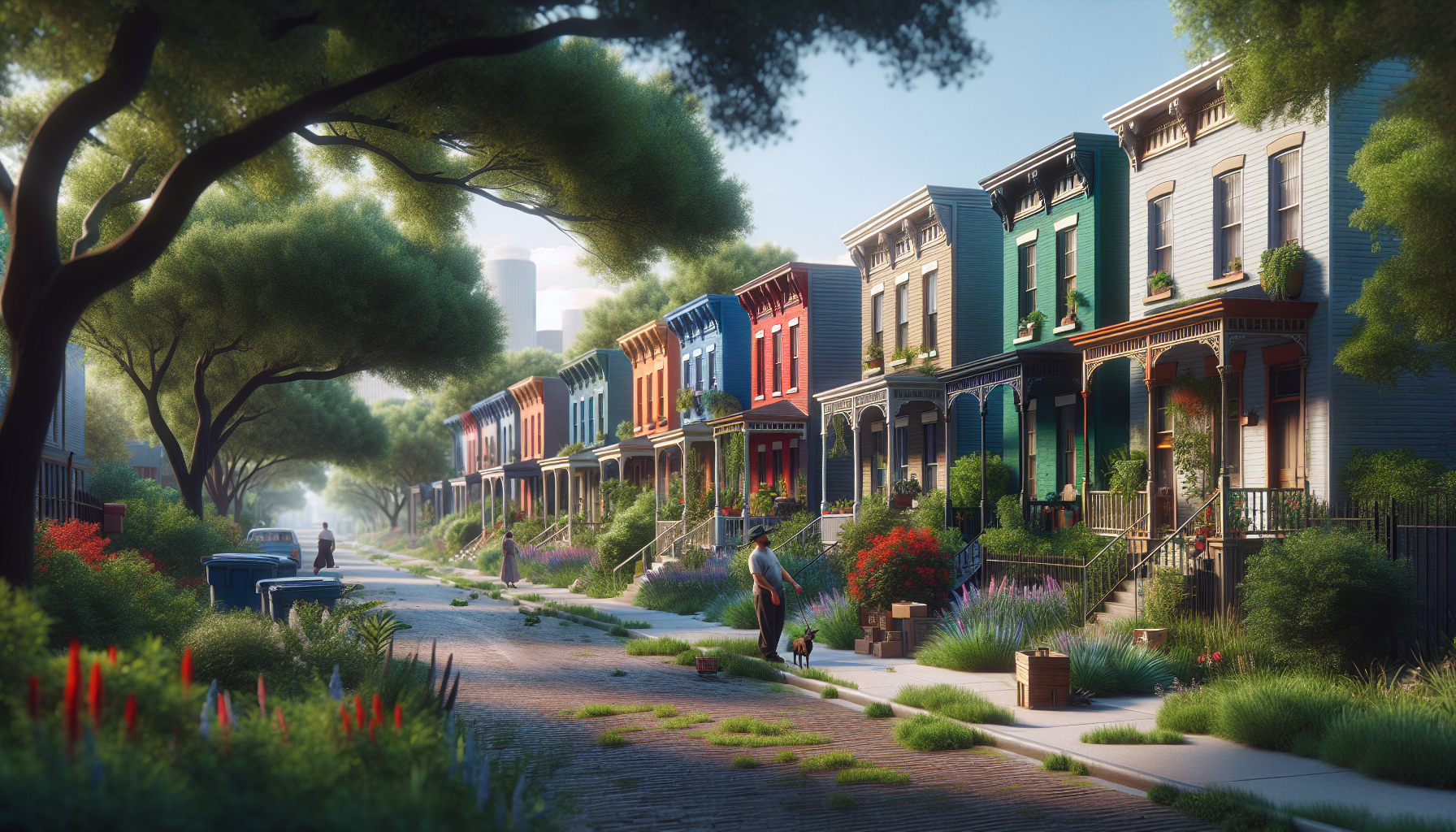
Preservation efforts in the Fourth Ward aim to protect its rich history. Community organizations and historical societies work tirelessly to maintain landmarks such as the Antioch Missionary Baptist Church and the historic brick streets. However, these efforts face challenges from urban development pressures and the need for economic growth.
Lifestyle and Community Life
Today, the Fourth Ward offers a unique blend of old and new. While modern developments are evident, the neighborhood retains a sense of community that is rare in urban settings. Local events, cultural festivals, and community gatherings foster a strong sense of belonging among residents, keeping the spirit of the neighborhood alive.
Influence on Houston’s Cultural Landscape
The cultural influence of the Fourth Ward extends beyond its borders. It has played a crucial role in shaping Houston’s identity as a diverse and inclusive city. The neighborhood’s history of resilience and community strength serves as an inspiration, highlighting the importance of preserving cultural heritage amidst rapid urbanization.
The Importance of Fourth Ward in Houston’s Story
The Fourth Ward is a testament to the enduring spirit of its residents. It represents the struggle for equality and the triumphs of a community that has overcome adversity. This neighborhood matters culturally because it embodies the values of perseverance, community, and cultural pride that define Houston.
Conclusion: Fourth Ward’s Role in Houston’s Cultural Identity
The Fourth Ward is more than a historical neighborhood; it is a living, breathing part of Houston’s cultural identity. Its story is a reminder of the city’s complex history and the diverse communities that have shaped it. As Houston continues to grow, the Fourth Ward stands as a symbol of pride, resilience, and cultural heritage, reminding us of the importance of preserving our past as we move forward.
Celebrate Houston Neighborhood Pride
Houston neighborhoods help shape the city’s identity. Many people express that pride through locally inspired games, apparel, and gifts that represent where they come from.