
Why Houston Neighborhoods Carry Generational Pride
Houston is a city that thrives on diversity and resilience, a mosaic of cultures and histories that come together to form a unique urban landscape. At the heart of this vibrant city lie its neighborhoods, each with a distinct identity and historical significance. These neighborhoods are not just places to live; they are the lifeblood of Houston’s cultural identity, carrying with them a sense of generational pride that transcends the mere passage of time.
The Historical Roots of Houston Neighborhoods
From the early settlements in the 19th century to the bustling metropolis it is today, Houston’s neighborhoods have evolved dramatically. Areas like the Heights and East End trace their origins back to the days when Houston was a burgeoning railroad hub. These neighborhoods were initially shaped by the influx of immigrants and the growth of industries, creating a rich tapestry of cultural influences that still resonate today.
Cultural Identity: A Mosaic of Traditions
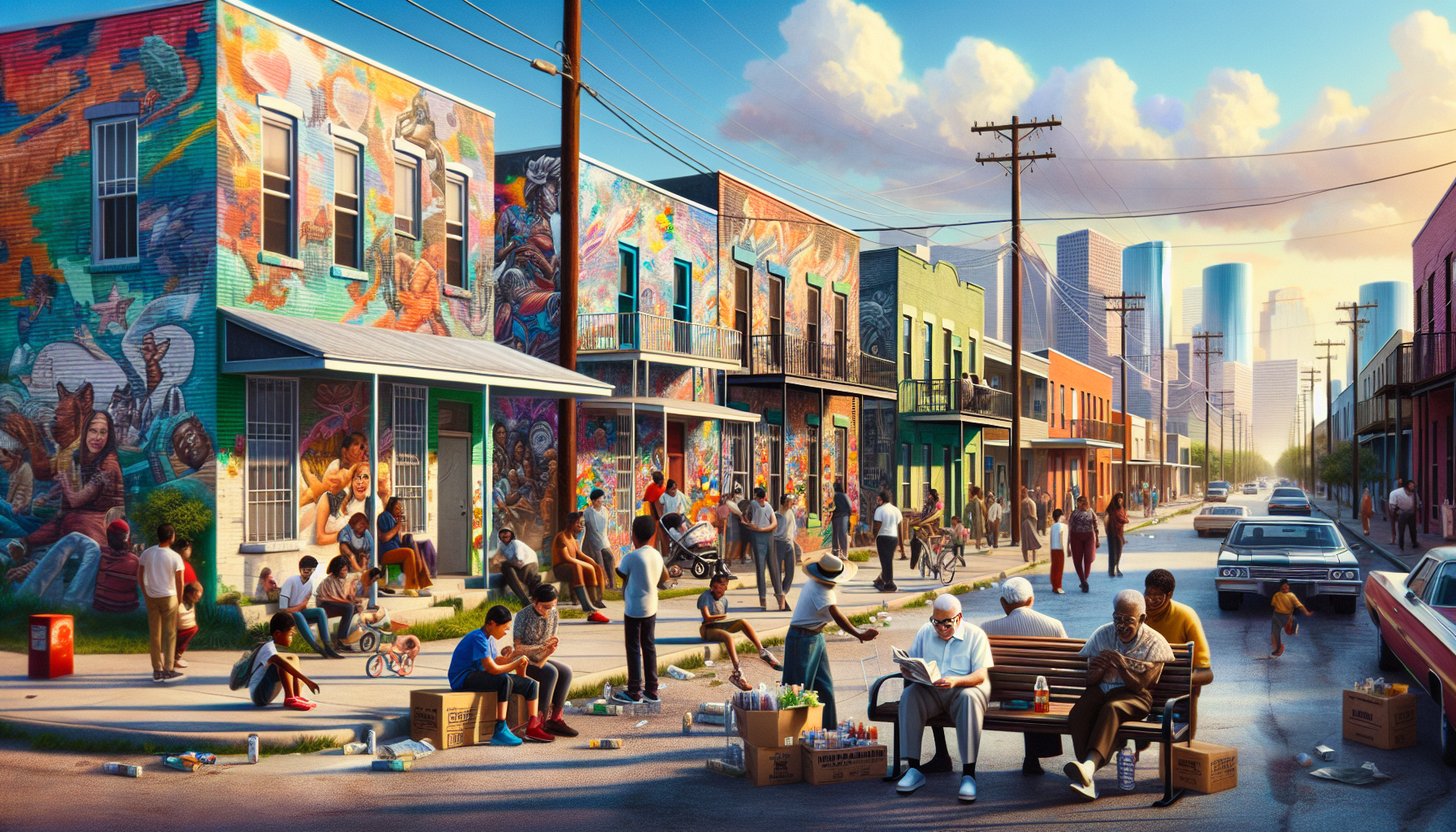
Each neighborhood in Houston is a microcosm of culture and tradition. The Third Ward, for instance, is a testament to African American history and culture, often referred to as the “Harlem of the South.” It has been a cradle of civil rights activism, art, and music, fostering a deep sense of pride among its residents. Similarly, the vibrant murals and festivals of the East End celebrate its deeply rooted Hispanic heritage, making it a focal point for cultural expression and community gatherings.
Lifestyle and Community Spirit
Life in Houston’s neighborhoods is characterized by a strong sense of community and belonging. Whether it’s the artisanal markets of Montrose or the family-owned eateries in Bellaire, these areas offer a lifestyle that values local enterprise and neighborly connections. The community spirit is palpable, with residents often coming together for block parties, cultural festivals, and volunteer initiatives, reinforcing the bonds that make these neighborhoods more than just residential areas.
The Evolution of Neighborhoods
Over the years, Houston neighborhoods have seen significant transformation. Gentrification and urban development have reshaped areas like Midtown and Heights, bringing both challenges and opportunities. While these changes have sparked debates about cultural preservation and economic disparity, they have also led to revitalization efforts that aim to honor the historical and cultural essence of these neighborhoods while adapting to modern needs.
The Influence of Local Icons
Local icons and landmarks play a crucial role in defining neighborhood identity. The Rothko Chapel in Montrose and Project Row Houses in the Third Ward are more than just physical spaces; they are symbols of the artistic and social movements that have shaped these communities. Such landmarks serve as reminders of the neighborhoods’ rich past and continue to inspire future generations to take pride in their heritage.
Why Neighborhoods Matter Culturally
Houston’s neighborhoods are cultural powerhouses that contribute significantly to the city’s overall identity. They are the keepers of history, the incubators of culture, and the heartbeats of community life. The pride that residents feel for their neighborhoods is a reflection of a shared history and a collective future, making these areas vital to the cultural fabric of the city.
Conclusion: Connecting Neighborhood Pride to Broader Houston Culture
The pride that Houstonians have for their neighborhoods is deeply intertwined with the broader cultural identity of the city. Each neighborhood, with its unique history and vibrant community life, contributes to the larger narrative of Houston as a city of diversity, resilience, and cultural richness. As Houston continues to grow and evolve, the generational pride of its neighborhoods will remain a cornerstone of its identity, reminding residents and visitors alike of the stories and traditions that make this city truly exceptional.
Celebrate Houston Neighborhood Pride
Houston neighborhoods help shape the city’s identity. Many people express that pride through locally inspired games, apparel, and gifts that represent where they come from.