
Why Houston Neighborhoods Continue to Shape the City
In the heart of Texas, Houston stands as a sprawling metropolis rich with diversity and cultural vibrancy. Its neighborhoods are the lifeblood of the city, each contributing to the unique tapestry that makes Houston distinct. From historic districts to burgeoning urban enclaves, these neighborhoods are more than just places on a map—they are the foundation of community identity, pride, and cultural significance.
The Historic Roots of Houston Neighborhoods
Houston’s neighborhoods are steeped in history, each with its own story to tell. The Heights, for instance, emerged in the late 19th century as a planned community, one of the first of its kind in Texas. Its Victorian architecture and tree-lined streets reflect a bygone era, yet today, it thrives as a vibrant area celebrating its past while embracing the future. Similarly, the Third Ward, known as the “Heart of Houston,” has played a pivotal role in the city’s cultural and political movements, particularly within the African American community.
Cultural Melting Pots: Reflecting Houston’s Diversity
Houston is often celebrated for its diversity, and its neighborhoods are a testament to this multicultural mosaic. Areas like Chinatown and the Mahatma Gandhi District highlight the city’s Asian and Indian communities, offering a rich array of culinary and cultural experiences. Meanwhile, the East End or “EaDo” is a hub of Latino culture, where vibrant murals and authentic eateries line the streets, showcasing the influence of Houston’s Hispanic population.
Community Identity and Lifestyle
Each neighborhood in Houston possesses a distinct identity, deeply rooted in the lifestyle of its residents. Montrose, known for its eclectic vibe, is a haven for artists, musicians, and the LGBTQ+ community. Its bohemian atmosphere is reflected in its colorful street art and lively festivals. In contrast, River Oaks exudes elegance and affluence, with its stately homes and manicured lawns, representing Houston’s more traditional and upscale lifestyle.
Neighborhood Evolution and Urban Development
As Houston continues to grow, its neighborhoods are evolving in response to urban development and demographic shifts. Areas like Midtown have undergone significant transformation, transitioning from industrial zones to trendy residential and commercial hubs. This evolution is indicative of Houston’s adaptive nature, where neighborhoods balance preservation with progress, catering to the needs of a dynamic population.
The Cultural Significance of Houston Neighborhoods
The cultural importance of Houston’s neighborhoods cannot be overstated. They serve as epicenters for cultural expression, from the vibrant art scene in the Museum District to the live music venues of the Washington Corridor. These neighborhoods foster creativity and innovation, making Houston a cultural powerhouse in the region.
Neighborhood Pride and Community Engagement
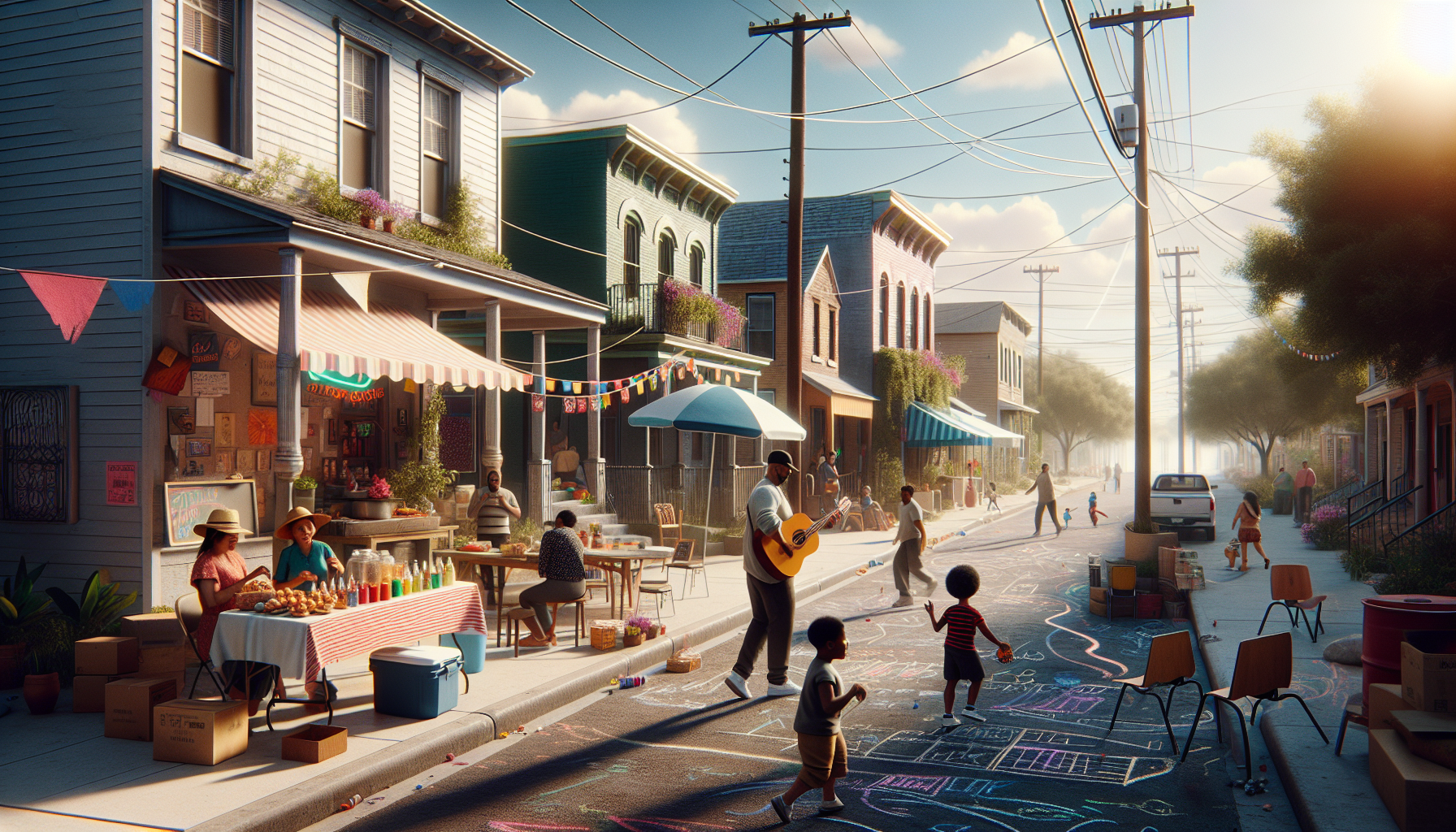
Houston neighborhoods are characterized by a strong sense of community pride and engagement. Residents often rally together for local events, festivals, and initiatives that strengthen community bonds. Whether it’s a neighborhood cleanup or a block party, these events foster a sense of belonging and collective identity among Houstonians.
Connecting Neighborhood Pride to Broader Houston Culture
Ultimately, the pride that Houstonians feel for their neighborhoods is a reflection of the broader cultural identity of the city. Each neighborhood contributes to the rich tapestry that defines Houston, showcasing the city’s diversity, resilience, and innovation. The stories, traditions, and people that make up these neighborhoods are integral to understanding what makes Houston unique.
Celebrate Houston Neighborhood Pride
Houston neighborhoods help shape the city’s identity. Many people express that pride through locally inspired games, apparel, and gifts that represent where they come from.