
Why Houston Neighborhoods Matter to Locals
Houston, the sprawling metropolis in the heart of Texas, is more than just a city; it’s a vibrant tapestry woven from the diverse threads of its neighborhoods. Each neighborhood tells a unique story, contributing to the city’s rich cultural identity and historical narrative. From the historic lanes of The Heights to the artistic vibes of Montrose, Houston’s neighborhoods are the living embodiment of the city’s evolution and the pride of its residents.
The Heights: A Journey Through Time
The Heights, one of Houston’s oldest neighborhoods, stands as a testament to the city’s growth and resilience. Established in the late 19th century, The Heights was initially a streetcar suburb, offering a retreat from the bustling city center. Today, it retains its historic charm with Victorian-style homes and tree-lined streets. The neighborhood has evolved into a cultural hub, known for its eclectic mix of eateries, boutiques, and art galleries. The Heights matters to locals because it represents the preservation of history amidst urban development, serving as a bridge between Houston’s past and present.
Montrose: The Heart of Artistic Expression
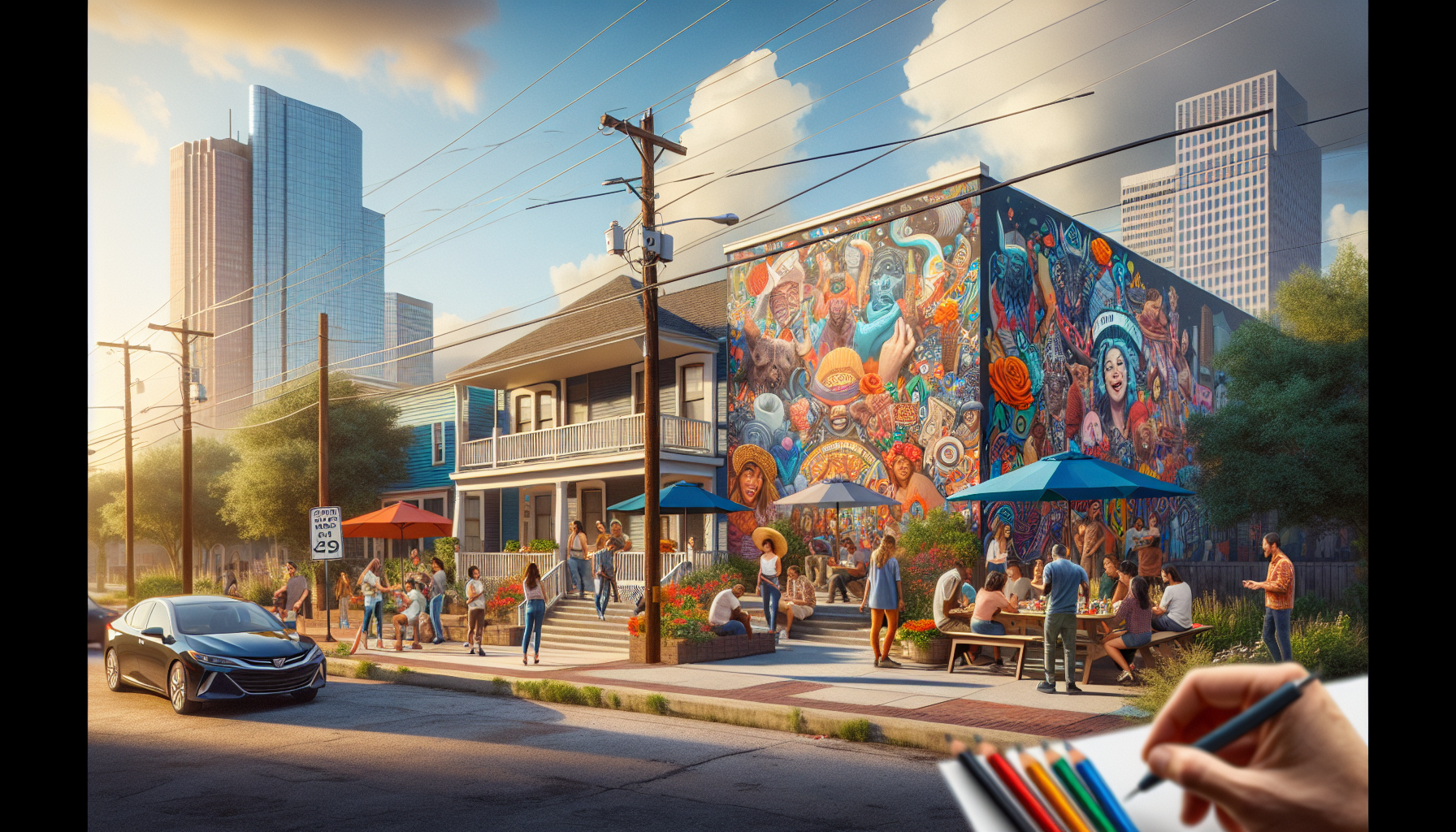
Montrose is the beating heart of Houston’s artistic community. Established in 1911, this neighborhood has long been a haven for creatives and free spirits. Its bohemian atmosphere is reflected in the vibrant street art, diverse culinary scene, and numerous cultural festivals. Montrose is a place where individuality is celebrated, and its influence extends beyond its borders, shaping Houston’s reputation as a city that embraces diversity and creativity. For locals, Montrose is more than a neighborhood; it’s a symbol of self-expression and cultural acceptance.
Third Ward: A Legacy of Empowerment
The Third Ward, often referred to as the “Soul of the City,” holds a special place in Houston’s cultural landscape. This historically African American neighborhood has been a center for civil rights activism and community empowerment. Home to Texas Southern University and the historic Emancipation Park, the Third Ward is rich in history and cultural significance. It serves as a reminder of the struggles and triumphs of Houston’s African American community, and its residents take immense pride in preserving its legacy. The Third Ward matters to locals because it embodies the spirit of resilience and the ongoing fight for equality.
Chinatown: A Mosaic of Cultures
Houston’s Chinatown is a vibrant mosaic of Asian cultures, offering a sensory journey through its bustling markets, authentic eateries, and cultural festivals. Located in the southwest part of the city, Chinatown has grown significantly since its inception in the 1980s. It has become a cultural and economic hub, attracting visitors and locals alike. For residents, Chinatown represents the harmonious blend of traditions and modernity, showcasing the city’s multicultural identity. It matters to locals as a place where cultural heritage is celebrated and passed down through generations.
East End: The Birthplace of Industry
The East End, often referred to as the birthplace of Houston’s industry, has a rich history rooted in the city’s economic development. The neighborhood was once home to the city’s first port and railway systems, playing a crucial role in Houston’s growth. Today, the East End is undergoing a revitalization, with new businesses and cultural spaces emerging alongside historic landmarks. It matters to locals because it highlights the importance of industry in shaping Houston’s identity while embracing change and innovation.
River Oaks: Elegance and Tradition
River Oaks is synonymous with elegance and tradition. Established in the 1920s, this affluent neighborhood is known for its stately mansions and meticulously manicured lawns. River Oaks has long been a symbol of Houston’s economic prowess and social status. However, its significance goes beyond wealth; it represents the city’s commitment to community and philanthropy. For locals, River Oaks is a reminder of Houston’s potential for prosperity and the importance of giving back to the community.
Why Neighborhoods Matter: The Cultural Fabric of Houston
Houston’s neighborhoods are more than just geographical areas; they are the cultural fabric that holds the city together. Each neighborhood contributes to the city’s identity, offering a unique perspective on what it means to be a Houstonian. From the historic architecture of The Heights to the artistic spirit of Montrose, these neighborhoods reflect the diversity, resilience, and pride of their residents. They matter to locals because they are the places where community bonds are formed, traditions are upheld, and the future is shaped. In understanding the significance of these neighborhoods, we gain a deeper appreciation for Houston as a whole.
Conclusion: Neighborhood Pride and Houston’s Cultural Identity
The pride that Houston locals have for their neighborhoods is a testament to the city’s rich cultural identity. Each neighborhood tells a story of growth, resilience, and community, contributing to the larger narrative of Houston. As the city continues to evolve, these neighborhoods remain integral to its cultural landscape, shaping the way residents connect with their heritage and each other. Celebrating neighborhood pride is, in essence, celebrating the diverse and dynamic spirit of Houston itself.
Celebrate Houston Neighborhood Pride
Houston neighborhoods help shape the city’s identity. Many people express that pride through locally inspired games, apparel, and gifts that represent where they come from.