
Why Houston’s Neighborhoods Shape Identity
Houston, Texas, stands as a vibrant mosaic of diverse cultures, histories, and identities. The city’s neighborhoods are more than just geographical locations; they are the living, breathing entities that collectively shape the cultural identity of Houston. From the historic streets of the Heights to the bustling corridors of Chinatown, each neighborhood contributes uniquely to the city’s rich tapestry. Understanding the cultural identity and history of Houston’s neighborhoods offers a deeper appreciation of their significance in shaping the broader Houston culture.
The Heights: A Historical Gem
The Heights, one of Houston’s most storied neighborhoods, serves as a testament to the city’s evolution over the past century. Established in the late 1800s, the Heights was one of the first planned communities in Houston. Its Victorian-era architecture and tree-lined streets create a nostalgic charm that attracts both residents and visitors. The neighborhood’s history is intertwined with Houston’s growth, serving as a cultural hub that reflects the city’s resilience and adaptability. Today, the Heights is known for its eclectic mix of art galleries, boutique shops, and local eateries, all of which contribute to its unique identity.
Montrose: The Heart of Houston’s Arts and Culture
Montrose is synonymous with diversity and creativity. As one of Houston’s most culturally rich neighborhoods, Montrose has long been a haven for artists, musicians, and the LGBTQ+ community. Its history is marked by a spirit of inclusivity and progressiveness, which has helped shape its identity as a cultural focal point. The neighborhood’s vibrant street art, historic bungalows, and eclectic festivals are a reflection of its dynamic cultural landscape. Montrose continues to be a place where self-expression is celebrated, making it an integral part of Houston’s cultural identity.
Third Ward: A Legacy of Resilience
The Third Ward, often referred to as the cultural heart of Houston’s African American community, is a neighborhood with a profound historical and cultural legacy. Established in the 19th century, it has been a center for African American culture, education, and activism. The Third Ward is home to Texas Southern University, a historically black university that has played a crucial role in shaping the neighborhood’s identity. The community’s commitment to preserving its cultural heritage is evident in its local institutions, art initiatives, and community programs. The Third Ward’s resilience and cultural pride continue to influence Houston’s broader narrative.
Chinatown: A Fusion of Traditions
Houston’s Chinatown is a vibrant enclave that exemplifies the city’s multicultural identity. Situated in the southwest part of the city, Chinatown is a bustling neighborhood filled with authentic Asian cuisine, cultural festivals, and traditional markets. Its evolution from a small community to a major cultural and commercial hub reflects the broader story of immigration and cultural fusion in Houston. Chinatown is not just a place to experience diverse culinary delights; it is a cultural bridge that connects people and traditions, contributing to Houston’s identity as a global city.
East End: The Birthplace of Houston’s Industry
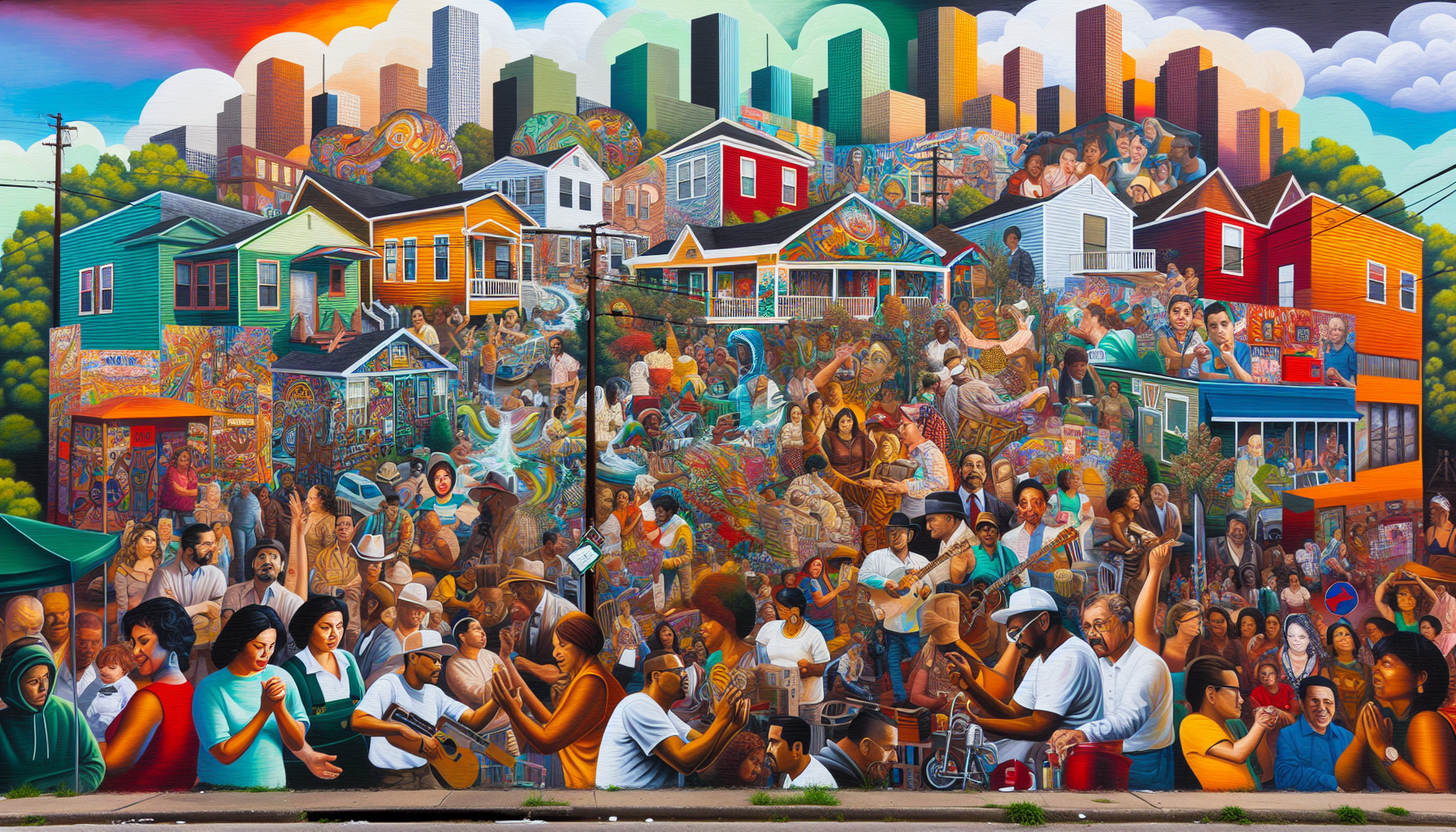
Known as the birthplace of Houston’s industrial growth, the East End holds a significant place in the city’s history. This neighborhood was once the center of Houston’s rail and shipping industries, which played a pivotal role in the city’s economic development. Today, the East End is celebrated for its rich cultural heritage and vibrant arts scene. The neighborhood’s murals, cultural festivals, and historic landmarks reflect its industrial past while embracing a future of cultural renaissance. The East End’s blend of history and innovation makes it a vital part of Houston’s identity.
River Oaks: A Symbol of Elegance and Tradition
River Oaks is one of Houston’s most prestigious neighborhoods, known for its stately mansions and manicured gardens. Established in the 1920s, River Oaks was designed to be an exclusive residential community. Its history is intertwined with the city’s social and economic elite, and it remains a symbol of elegance and tradition. Although River Oaks represents a more affluent side of Houston, its cultural significance lies in its architectural beauty and the preservation of its historic character. The neighborhood’s commitment to maintaining its heritage contributes to the diverse cultural landscape of Houston.
Why Neighborhoods Matter Culturally
Houston’s neighborhoods are more than just places to live; they are the heartbeat of the city’s cultural identity. Each neighborhood, with its unique history and character, contributes to the broader narrative of what it means to be a Houstonian. The cultural pride and community spirit found in these neighborhoods are reflective of Houston’s values of diversity, resilience, and innovation. By understanding the significance of these neighborhoods, we gain a deeper appreciation for the cultural richness that defines Houston.
Connecting Neighborhood Pride to Broader Houston Culture
The cultural identity of Houston is a tapestry woven from the diverse threads of its neighborhoods. From the historic charm of the Heights to the artistic vibrancy of Montrose, each neighborhood plays a crucial role in shaping the city’s identity. The pride that residents take in their communities reflects a broader sense of belonging and cultural heritage that defines Houston. By celebrating and preserving the unique identities of its neighborhoods, Houston continues to thrive as a dynamic and inclusive city, where cultural diversity is not only welcomed but embraced.
Celebrate Houston Neighborhood Pride
Houston neighborhoods help shape the city’s identity. Many people express that pride through locally inspired games, apparel, and gifts that represent where they come from.